Tuesday, October 31, 2006

The President's Club

During a recent visit to my hem/onc’s office I noticed that my medical file is now about the size of a phone book for a mid-sized city. It is larger than most of the other files that I see stuffed sideways into the open-faced cabinets arrayed in back of the reception desk.

And so it occurred to me that as a patient with a chronic disease who needs treatment regularly and who has a fairly long life expectancy, I am a cash cow in the cancer business. Most other patients at this office either beat their cancer, or don’t, and their files probably cover fewer treatments over a shorter period of time. Having chronic lymphocytic le
ukemia makes me a frequent flyer, so to speak, a prize customer.

So where are my rewards? I mean, airlines have private lounges for their best customers. Even Camping World has something called the President’s Club. Why not a President’s Club for CLL patients?

For example, I migh
t enjoy a private infusion room -- nay, suite -- with a genuine leather recliner, none of that vinyl stuff. And why can’t my IV pole be at least gold-plated? Where, oh where, is my plasma TV? My private nurse? The dessert tray, fer chrissakes?

“Champagne with your Rituxan, sir?”

“Don’t mind if I do.”

Clink!

But no, I’m stuck in there with the hoi polloi, some of them using cheap, off-patent drugs. I am a Rituxan user. My insurance pays $5,000 a pop for this stuff; in the last three years I have brought this office around $150,000 in gross income. Yet the management is forcing me to root, raccoon-like, for bags of peanuts from an oversized communal snack basket. What is this, the Motel 6 of oncology?

In all seriousness, or at least partial seriousness, there are times when having CLL can be used to one’s advantage. After one recent Rituxan treatment, Marilyn and I went to our favorite hotel in Phoenix. I plopped my bandaged hand on the counter and announced to the twenty-something clerk that I had been doing chemotherapy and that I needed a quiet room in which to rest. This led to a free upgrade.

When Marilyn and I flew to Florida recently during the height of the gels-on-planes scare, we were able to bring a bottle of Purell hand sanitizer on board with us. This required showing the TSA guards a report stating I have CLL and am immune-compromised, which was backed up by me pointing to my neck and saying, “It looks puffy because I have swollen lymph nodes from my leukemia.”

Indeed, at the Miami airport one of the Northwest Airlines clerks fell all over himself being helpful and gladly agreed to give our bags priority handling even though we weren’t flying first class.

The best story I’ve heard came from a fellow patient in the infusion room, not a CLLer, who lost her hair to chemotherapy. While speeding down the freeway, she was pulled over by a cop.

“Officer,” she said, whipping off her baseball cap to reveal her bald head, “I am late for my chemotherapy.”

It worked, of course. No ticket.

Let that be an inspiration to you the next time Cytoxan does nasty things to your hair follicles.


And while I still wish I could get a complimentary foot massage while being hand-fed Godiva chocolates, I'll take what I can get.

Saturday, October 14, 2006

The way of the tortoise, Part 2

It was Churchill, I think, who said that democracy is the worst form of government, except for all the others.

The same could be said of Rituxan and the other CLL treatments. Rituxan is imperfect -- effective in the peripheral blood, only mildly effective in the marrow, chancy in the larger lymph nodes. Other things work better, but at a far greater cost to the immune system. To put it another way,
Mussolini made the trains run on time, but was it worth it?

Looking a
t my situation, the question is: “What really needs to be done?” Not “What could be done if I wanted to do the most possible?” This is an important distinction for a tortoise, or any CLL patient, to make.

So, what n
eeds to be done? The lymph nodes need to be reduced, the spleen needs to be reduced, and the marrow needs to keep treading water.

I have written about my bothersome pelvic nodes. It has been a year since I last started Rituxan maintenance and I am getting rather chunky all over. (Only part of the blame can be placed on exce
ssive consumption of Tire Tread licorice.) The discomfort in my lower left side will only get worse the longer I let things go.

So, how far do I let things go?

Letting things go was Dr. John Byrd’s suggestion to me, and at first I was rather taken with it. Letting the nodes go to
10 cm, double the size of the largest ones I have now. Letting my platelets and/or hemoglobin drop below normal. Letting my spleen get big enough to press on my stomach, making me feel full. Then using his protocol of Rituxan three times a week for four weeks, which he said would have a 40% chance of giving me a partial remission for 10 months. And, afterward, hope that something else would come along, maybe start thinking about a transplant, for which I would need RFC as preparation.

For awhile there I was tempted to put my head firmly in the sand and say “the doctor told me not to worry,” but then I started thinking. (Damned brain!)

The thing is, I am not so anxious to get a transplant. And I see HuMax-CD20 on the horizon. It should provide better di
sease control than single-agent Rituxan, which has itself probably kept me in Stage 2 and feeling pretty healthy for almost three years now. I can see myself going several more years controlling the disease with better monoclonals before even thinking about starting chemotherapy, let alone a transplant. This is called playing for time.

In Part 1, I talke
d about how science presents data, but is at a loss when it comes to value judgments. As much as it pains me to disagree with some of Dr. Byrd’s analysis, it has come to pass. Above all other considerations, I must make what I feel is the best value judgment, and I must remain true to myself.

I read Dr. Byrd’s sing
le-agent Rituxan study. In it. 56% of patients at Stage I/II responded to the treatment; that number dropped to 42% of Stage III/IV. Similarly, there was a 56% overall response in patients whose nodes were 2 to 5 cm. That dropped to 40% among those with nodes from 5 cm to 10 cm.

In other words, if I wait until I am sick as a dog and do his Rituxan protocol, there is about a 40% chance it will work, which is exactly what he to
ld me -- “work” being defined in the study as a reduction of 50% in disease bulk lasting for 10 months. If I don’t wait that long, the odds of it working are better.

Another point: Assuming I get that 50% reduction in bulk when my nodes are at 10 cm, that would put me right where I am right now. Given the discomfort from my pelvic nodes, I am not sure that this i
s the ideal baseline for a remission.

I also read Dr. Susan O’Brien’s single-agent Rituxan dose escalation study from MD Anderson. It told me two things
: First, the more Rituxan you give someone, the better the response. Second, at dosages commonly given (375mg/m2 once a week for four weeks) one can expect perhaps a 9% reduction in CLL in the marrow.

Finally, and very, very important in all this, I know how I have responded to Rituxan the first three times I had it. It does very well in my peripheral blood and in nodes up to 2 cm. It is almost useless in nodes bigger than 3 cm. At times, prior to treatment, I have had very small declines in red blood cell count and hemoglobin and it has reversed those declines, indicating perhaps that it has some effect in my marrow. Rituxan sends my spleen, which
has been as large as 10 cm below the costal margin, back under my rib cage. When it does this there is usually a bump up in platelets, which had probably been sequestered there.

The Rituxan ma
intenance idea

If Rituxan were not available and starting chemotherapy were the only option, I would avoid treatment until I was half dead. This is the traditional view held by treatment co
nservatives, and in a world of few choices, it made sense. But Rituxan is available, and it changes the game for some of us.

There is a hardy band of CLL patients doing single-agent Rituxan. I know of maybe ten through the internet and there are no doubt more. The patient who has been managing the longest on this maintenance (that I know of) has been doing it for about five years. Our choi
ce is unorthodox and experimental, though not off the wall. (Among those who have said they think it makes sense for some patients are Chaya Venkat of CLL Topics, who has written about it extensively, and Dr. Terry Hamblin, who comments on it here. MD Anderson often puts older patients, past age 70, on Rituxan + GM-CSF, aka Leukine, because older people have a harder time with hard chemo.)

The Rituxan maintenance rationale is to keep the disease at bay with the least collateral damage. For most people (but not all) Rituxan is essentially toxicity-free. Most CLL docs don’t think it is worth using by itself given the middling remission it gives. As an acad
emic exercise, they are correct that the depth of remission provided by Rituxan pales in comparison to that given by combination therapy or even individual drugs such as fludarabine. But my body is not an academic exercise.

As Dr. Hamblin famously asks, “What is the aim of treatment?” For me, the answer is to keep me going, nothing more, with the least collateral damage. I don’t care how unpretty my remission is -- that is not the point. Beauty is in the eye of the beholder, and I like looking into the distance and seeing all those beautiful unburnt bridges ready to be used if I need them.

I have used Rituxan maintenance three times thus far. (My first hem/onc wanted me to use fludarabine alone. My second suggested RFC but went along with the
Rituxan when I objected. She later quit her practice and I am now on my third hem/onc, who is open-minded and whom I like.) My first treatment was starting January ’04, 8 weeks at 375mg/m2. Second was starting April ’05, 4 weeks at 500mg/m2 (along with some G-CSF (Neulasta) shots to try to boost the effectiveness, which appeared to have little effect). Third was starting October ’05, 8 weeks at 375mg/m2. So it has been a year since I last started treatment.

There is no control to my experiment -– no cloned version of myself who chose another path –- so I can only make educated guesses at what the Rituxan has done for me. I would like to think that I have been keeping the marrow from becoming impacted; Rituxan’s modest effects on it may be just enough. I have kept the node growth reasonable among the smaller nodes, at least. Rituxan has been effective on my spleen. My Rituxan maintenance system has probably allowed me to drag Stage 2 out longer than I might have otherwise.

Now is the time

The deal with Rituxan maintenance is that you are using Rituxan, and Rituxan works better on earlier-stage patients and those with less bulky disease. I could wait longer to treat and take pain meds for my pelvic node(s) -- and more and more of them as the problem grows bigger and bigger, literally -- but what about the marrow? If I were to wait long enough for it to crash, Rituxan’s 9% reduction in CLL will probably be too little too late. I will have boxed myself in, likely leaving myself no choice but to add stronger agents that I would rather avoid.

I meet three of the NCI guidelines for treatment: Spleen swollen greater than 6 cm below the costal margin, lymphocyte doubling time of less than 6 months, and progressive lymphadenopathy.

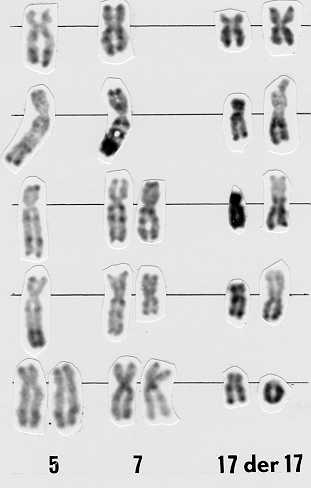
To recap my prognostics: I am IgVH unmutated; ZAP-70 positive as per the reliable lab at UC San Diego; I tested positive for the 11q deletion on 24% of cells in March; and I am CD 38 negative, a blessed 1%.

Prognostics only tell some of the story. Based on my experience since diagnosis in 2003, I know my disease is steady in advance and can be steadily pushed back. I do not have the wild over-the-top escalation that some patients with my prognostic markers have, and I have so far been spared the sudden onset of major surprises. Maybe that negative CD 38 is helpful in some way, or maybe the planets have aligned right, or maybe I just haven't re
ached the point in time when the disease starts to go berserk.

For all these reasons, I think it makes sense to treat now if that treatment is to be Rituxan maintenance.

Why not the rest?

As readers of this blog know, I have explored Rituxan + HDMP and Rituxan + chlorambucil as possible options. But since my marrow is holding steady, I do not feel the need to jump to a stronger agent that might clear it better than plain old Rituxan.

I think both options do make sense for people who need better marrow clearance but who wish to avoid heavy-duty chemo combinations.

R + HDMP has been the subject of somewhat spirited debate in patient forums and among leading doctors as well. (I have recounted opposing views by Dr. Januario Castro and Dr. Byrd in this blog.) It is being pioneered in chemo-naive patients at UC San Diego, which has had generally good results with it, and I feel it is best done there, under their watchful and experienced eyes. I would not rule it out as a future treatment for myself under the right circumstances.

R + chlorambucil, advocated by Dr. Hamblin, appears to have good anecdotal results. My concern here is the possibility that alkalyting agents can be mutagenic. There is a study that lumps chlorambucil and cyclophosphamide together and reports a somewhat higher incidence of p53 mutations in patients who have received those alkalytors. While the chance may be small, especially at small doses, acquisition of a p53 (aka 17p) deletion is the last thing I want to bring upon myself. Still, under the right circumstances, I could see using R + low-dose chlorambucil.

My plan: festooning the shark

What I am optin
g for is the minimal amount of treatment I think I can get away with, but something a little stronger than I have had in the past.

Having a blog means sharing an evolving learning process. I was a little premature in March when I posted “Single agent Rituxan jumps the shark.” Since March, HuMax-CD20 has begun to loom on the horizon, and the likely advent of this promising new tool has changed the outlook for me, as discussed in Part 1.

The treatment plan ahead is single-agent Rituxan with some Beta-Glucan add
ed, probably with a second step involving a steroid tweak.

I looked back at my prior experience with two courses of once-a-week-for
-eight-weeks Rituxan. After week 5, I reached a plateau in blood counts and node reduction. Is there a way to improve on that dosing schedule? The O’Brien study showed that the more Rituxan you get, the better. (Yes, yes, Rituxan shaving may be a drawback, but there appears to be something causing it to work better at higher doses.) Byrd’s protocol uses more frequent dosing, three times weekly. By extension, even at 375mg/m2, that gets more Rituxan into you in a shorter space of time.

So, on the theory that more frequent dosing is likely to be no less effective than the once-a-week s
chedule -- and hopefully more -- I will be following the first half of Byrd’s protocol: six infusions of Rituxan at 375mg/m2 over two weeks. The decision to use half of Byrd’s protocol is made given my past plateau after infusion 5 and the fact that the extra Rituxan may 1) go to waste, or 2) be more than I really need right now, and 3) always carries the risk of developing disease resistance, which I want to keep to a minimum, since I will probably have to use Rituxan maintenance of some kind again before I can use HuMax. Hopefully the shorter, more intense schedule will lead to a more intense result. We shall see.

Added to the mix will be Beta-Glucan, which may have the benefit of boosting macrophage activity and thus the cell kill. Researchers at the University of Louisville in Kentucky are now accruing CLL patients for a Rituxan + Beta-Glucan clinical trial. The Beta-Glucan they are using is available commercially.

Failure to clear the larger nodes adequately –- I am not expecting miracles here, just a decrease in discomfort -- would lead to Step 2. After an interval designed to allow the body’s complement to recover from the Rituxan, I would receive a course or two of dexamethasone (Decadron), perhaps 20 mg daily for four days. The idea is to push the CLL out of the nodes and into the bloodstream, where Rituxan can get at it better. I have done some research on dex and it is lympholytic on its own –- that is, it kills CLL cells (though it is not a major player in this department).

The question of whether it would have synergy with Rituxan is another matter and there are no definite answers, it seems. It may, or it may tamp down macrophages and the CDCC (complement d
ependent cytotoxicity) and ADCC (antibody dependent cytotoxicity) that helps with the Rituxan cell kill. So after administration, there would be a wait of a week or two before doing two final rounds of Rituxan -– enough to clear the dex from my system without allowing the CLL to return in large numbers to the nodes. (The immunosuppressive effects of the dex may well continue for some time, despite the wait; sometimes there are no elegant options. Also, as I have skin cancer issues, I will also be monitored by a dermatologist.) Since Rituxan works best in the peripheral blood, it will hopefully kill off some of the formerly node-based CLL. Again, we shall see, but there is little downside in trying.

(As an aside, one reason not to frontload the dex is to avoid the possibility of tumor lysis syndrome, since I already anticipate significant cell-kill during the first week. Another reason is not to gum up the works -- I know I get my best response from Rituxan after the first two or three infusions, a
nd I would just as soon let it do its thing before doing anything that might inadvertently dampen its effects.)

In the end, I am hoping for 8 or 10 or 12 months of CLL control, with the nodes knocked back further than when I started, a petite spleen, and any decline in the marrow arrested. And “control” is the operative word. Call my hoped-for remission incomplete, crappy, or whatever name you wish. As my father once said when asked many years ago why he wasn’t going to get rid of his clunky old 1967 station wagon, “It gets me from Point A to Point B.”

That’s my goal.

Monday, October 09, 2006

The way of the tortoise, Part 1

In March of this year I wrote a piece for this blog entitled "Single-agent Rituxan jumps the shark." In it, I said that Rituxan by itself -- of which I have had three courses over two years -- would no longer do the trick for me when treatment time came around again.

The search for what to do next led to my Doctor Quest, which I have described at length in these pages. I explored options such as Rituxan + high dose methylprednisolone (HDMP), Rituxan + chlorambucil, and even Rituxan + fludarabine, and I picked the brains of a few leading experts. This being chronic lymphocytic leukemia, of course, I got different and even contradictory answers. But in the process I have become more familiar with my case, what the criteria might be for treating it, and the options for that treatment. I also had a chance to mull over the conventional wisdom as well as some opposing viewpoints about depth of remission, long-term survival, and various other things that go bump in the night.

And now, here I am, ready to embark on a course of treatment. I will tell you what I have decided, and why.

I have decided who is in charge

Meeting with some top doctors, as well as some lesser lights, I quickly realized what so many CLL patients learn: four rabbis, five opinions. Or, as one world-renowned expert told me about my treatment timing and prospects, “There isn't a right or wrong answer. I could construct an argument for almost any approach.”

So the one thing I have learned in my Doctor Quest is that nobody knows my disease quite like I do. Or, as I wrote to a friend of mine, “After seeing all the experts and learning all I can, I have learned one thing: my guess is as good as anyone's and it is all a crapshoot.”

This is not hubris. I may be a fairly well-educated patient, but my knowledge of the disease pales in comparison to that of the experts. We patients need our doctors, and I have learned a great deal in my conversations with them. I would not want to be left to my own devices even if I could buy Rituxan at Costco and set up an IV pole next to the living room sofa. Doctors are needed not only for their expertise but also for their skill and experience at monitoring symptoms and managing complications that can blindside us. And not every patient has the time or inclination to make the effort I have made to get to know the lay of the land. Nor does everyone have the same personality type; some people would rather just pick a doctor they are comfortable with and follow that person’s advice. I respect that choice, which seems on the surface to be quite sensible.

For me, personally, it is not enough given the uncertainty that surrounds CLL. I am the recipient of a disease without consensus, a disease termed “heterogeneous” because it is about as individual as a fingerprint, and mine in particular is rather quirky. Understanding of CLL is in flux, old assumptions are being questioned, new treatment ideas go every which way. The experts are left to debate and disagree among themselves. And you and I are cursed with living in interesting times. I wish it were easier to be a patient, but it’s not.

In terms of how to put it all in perspective, someone named Andy once left a comment on this blog that offers sage advice:

“Nothing can substitute for common sense, especially when one's life hangs in the balance. Science is indispensable to the understanding of the pros and cons but when it comes to making a value judgment, science has nothing to say -- that's something many patients (and many doctors as well) fail to grasp.”

So, while I know that I will never have the scientific knowledge of a John Byrd or a Januario Castro, my ability to make the right value judgment is probably equal to anyone’s. And since my life is on the line, I had better become adept at it.

I have decided what makes common sense to me

The more I have learned, the more I am convinced that, as a rule, less is more when it comes to treatment. The least toxic route to disease control is to be preferred to nuking the sumumbitch and risking very real complications that I have written about many times, that CLL Topics has warned about many times, that Dr. Terry Hamblin’s blog has discussed many times, and that basically fall under one category: I done blowed up my CLL and my immune system’s all shot, too.

If there is one thing I fear more than death by CLL, it is becoming sickly and having a lousy quality of life, being in and out of the hospital, being at the mercy of every bacteria or virus that comes waltzing along. CLL means my immune system is in decline -- this is why our immunoglobulins drop -- but why speed up that process?

I said this was my view “as a rule.” There are exceptions. There are people whose marrow becomes impacted, whose platelets and hemoglobin drop to dangerous levels, whose nodes grow to enormous size, and who have no choice but to do something pretty drastic to clear the marrow and deal with the problem. I may be one of those people one day, and if that time comes, I will welcome fludarabine, cyclophosphamide, and god knows what else with open arms and open veins.

But now is not that time.

I have decided I am a tortoise

I know, you’re thinking “What has Dave been smoking? Does he also think he’s the Eggman, coo-coo-ca-choo?”

Let me explain about the tortoise and the hare and how it applies to CLL.

There is a school of thought, the conventional wisdom, that depth of remission leads to longer overall survival. This may make sense in many cancers, but does it hold true in CLL? One problem is that long-term studies are very difficult to do, and CLL is a long-term disease. A must-read is Dr. Hamblin’s “What is the aim of treatment?” series. In it, he posits that the acute leukemia model, in which a cure is the desired goal, may not be realistic in CLL.

“Most doctors who design clinical trials for CLL have trained as acute leukemia doctors, “ Hamblin writes. “Faced with a disease that may span decades they revert to type. Pharmaceutical companies are not much interested in a clinical trial that may last 20 years -- their patents will have run out. Current clinical trials, by common consent, have abandoned overall survival as an end-point; instead they have adopted “complete response rate” and “progression free survival” as surrogates. There are problems with both of these . . .”

Hamblin goes on to discuss this in detail, and I will leave it to you to read his thoughts (see “Resources” below) if you have not already done so. His views may be somewhat heretical on this topic, but that does not make them wrong.

The point is that there is not sufficient evidence, to my mind, that depth of remission will lead to longer overall survival for all CLL patients. The problem is that patients relapse from those deep remissions and are left with fewer treatment choices. Another big-name doctor told me that the weakest spot in CLL therapy is finding things that work on the fludarabine-refractory. And there is plenty of anecdotal evidence, at least, that some patients who get big remissions set themselves up for other big problems in the process, notably immune suppression that can lead to life-threatening complications.

So, will you live longer by running hard out of the gate, or by plodding along only as fast as you need to?

My intuition says to bet on the tortoise.

The tortoise rewarded

Good things come to he who waits, or at least he who moves slowly. HuMax-CD20, the monoclonal antibody, has received fast-track status from the FDA and is now in Phase III trials. Everything I read and hear, officially or through the grapevine, is that this stuff puts Rituxan to shame. It adheres better to the CLL cell, it leads to better cell kill, and being fully-humanized it guards against some of the nasty allergic reactions that can accompany mouse-based Rituxan.

For those of us who have been saying “Do the minimum you need to do, avoid burning bridges if you can, keep your immune system as functional as possible to maximize the effectiveness of new drugs that may come along,” HuMax-CD20 is evidence of our logic, the proof in our pudding. I would be shocked if it were not approved for commercial distribution sometime in 2008, at the latest.

So, how does this tortoise get from here to there?

I’ll conclude my thoughts in Part 2.

RESOURCES

Dr. Terry Hamblin's three-part "What is the aim of treatment?" series:

Part I: http://tinyurl.com/qgd2f
Part II: http://tinyurl.com/rxnpt
Part III: http://tinyurl.com/rmjv5

Thursday, October 05, 2006

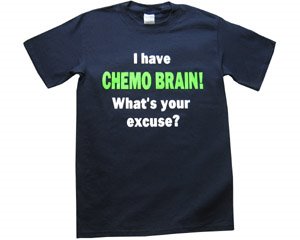
The fog lifts on "chemo brain"

Now that I'm 50, I suppose I need to start worrying about um, er, what was it? Oh, senior moments.

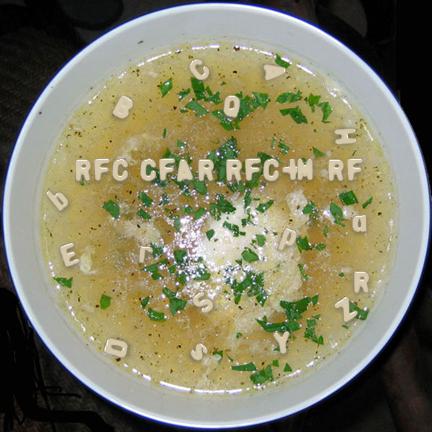
Having chronic lymphocytic leukemia, I have another strike against me: the prospect of getting "chemo brain" from heavy-duty chemotherapy, should it ever become necessary. This is one of the hidden dangers of CLL and most cancer therapy, and yet another reason to avoid the alphabet soup treatments such as RFC. RFC+M, CFAR, et al until you have no choice and really need to use them.

Researchers tend to talk about "multiple non-overlapping toxicities" and doctors tend to use phrases like "well-tolerated" when describing some of these regimens. (I suppose whatever doesn't kill you is something that, grading on a curve, you can tolerate well.) But in plain old common sense English, pump your body full of stuff that destroys cells and don't be surprised if it does something in the brain.

Of course, chemo brain is one of those areas that is not really the subject of too many studies. After all, drug companies have little incentive to reveal yet another potential problem with their products. And researchers looking for a cure or effective control may feel their time is better spent on that rather than on tracking down amorphous side effects that can vary from person to person. Type "chemo brain" in quotes into PubMed and you get exactly three results (though there are other areas which better catalog the information available -- see "Resources" below).

It is on internet CLL patient forums that one hears stories about chemo brain: people becoming disoriented and not knowing where they're going when they're driving down the street, people who go to work and can no longer answer the phone and type into the computer at the same time. Some people seem to be spared these sort of effects, some have mild or transient cases, some have long-term problems.

Depression complicates matters


Chemo brain is a very real risk, though matters of depression and stress can lead to an impression of brain fog in some people that may not be entirely chemo-related.

A PubMed abstract of a 2003 study at the University of Indianapolis provides this analysis:

"Oncology patients often complain that their "mind does not seem to be clear." This subjective perception, sometimes referred to as "chemo brain," may be due to situational stressors, psychological disorders, organic factors, or effects of neurotoxic medications. Cognitive decline cannot only diminish quality of life, but can also interfere with a patient's ability to make decisions regarding complex treatment issues."

The authors of the study tried to quantify and clarify the results in 61 patients. They found this to be difficult, and concluded: "While the perception of cognitive impairment is common in cancer patients, there may be problems in interpreting the nature of these complaints, particularly in separating them from depressive preoccupation."

Certainly depression can lead to reduced clarity of thought and action. Many older people have CLL and may already be experiencing a bit of brain slowdown as part of the natural aging process. But chemo brain cannot be dismissed as a figment of the imagination. A study reported today by UCLA researchers finally pins down in hard science what many cancer patients have felt to be true all along.

New study: chemo alters brain metabolism

Entitled "Chemo has long-term impact on brain function: study," Reuters reported the following:

Chemotherapy causes changes in the brain's metabolism and blood flow that can last as long as 10 years, a discovery that may explain the mental fog and confusion that affect many cancer survivors, researchers said on Thursday.

The researchers, from the University of California, Los Angeles, found that women who had undergone chemotherapy five to 10 years earlier had lower metabolism in a key region of the frontal cortex. Women treated with chemotherapy also showed a spike in blood flow to the frontal cortex and cerebellum while performing memory tests, indicating a rapid jump in activity level, the researchers said in a statement about their study.

"The same area of the frontal lobe that showed lower resting metabolism displayed a substantial leap in activity when the patients were performing the memory exercise," said Daniel Silverman, the UCLA associate professor who led the study. "In effect, these women's brains were working harder than the control subjects' to recall the same information," he said in a statement.

Experts estimate at least 25 percent of chemotherapy patients are affected by symptoms of confusion, so-called chemo brain, and a recent study by the University of Minnesota reported an 82 percent rate, the statement said.

"People with 'chemo brain' often can't focus, remember things or multitask the way they did before chemotherapy," Silverman said. "Our study demonstrates for the first time that patients suffering from these cognitive symptoms have specific alterations in brain metabolism."

The article goes on, and this link will take you to the full text.

But the message is simple: chemo brain is real, and it is a risk. Yes, there have been no studies of it in CLL, but there is more than ample anecdotal evidence that some people are affected by it. For those of you who feel your body is crumbling but "at least I have my mind," take heed.

RESOURCES

The website http://www.chemobraininfo.org/ offers a fairly encyclopedic roundup of studies and other information.

Tuesday, September 26, 2006

The big Five-Oh

In a few days it will be my fiftieth birthday. This being CLL, I will spend it in Phoenix with my hematologist/oncologist. And Marilyn, of course. We will be discussing treatment, and then two of us will be having dinner somewhere.

Fifty is a landmark, probably moreso than forty, whe
n life is supposed to begin. Fifty is a half-century, as solid and respectable as one of those old gray office buildings that make up the skyline of any Eastern city. It has an established, enduring quality. I feel as if I should go buy some stock, or take up golf.

In reality I will probably continue on my road to eccentricity. Oh, how many cats I could adopt if there w
ere just a slight dimunition in my judgment. I will talk to myself while walking around the house trying to remember what it was I was looking for -- and I will enjoy the conversation. I will take less and less moderate positions on the great issues of the day. I will become twice the hippie I might have been in my youth and will trip without the LSD.

Having chronic lymphocytic leukemia changes fifty. What might have been a midlife crisis point has become rather welcome, a milepost of survival. I made it another year, and into another decade, and so there is reason to celebrate.

The gifts will be simple: My beloved Marilyn, and good friends, and family. My older half-brother (along with his kind and personable wife) has reappeared in my life. I did not spend a lot of time with Rick as a kid -- he is 11 y
ears my senior -- and we have had only sporadic contact as adults. He has had an interesting life, taking some wild and woolly paths rather different from my own. Meeting as we are again in our older age, I find we have a great deal in common. Our outlooks toward the state of civilization and the meaning of things are similar in many ways. He’s smart, and he has a big heart and a good sense of humor, and he wants to do what he can to help me fight this CLL.

Our mother died, suddenly, at the age of 57, when I was in college. When I look into his face I can see her eyes. I remember when she died, thinking 57 was so young. I never guessed that I might acquire a disease that would, statistically, make my own survival to that age a question mark.

I know some wonderful people with CLL who say they are dying bit by bit, losing the war of attrition. They hold out little hope of a cure, and t
hey live with some debilitating aspects of the disease, notably fatigue. They see it as their inevitable end.

I do not see it as mine. Call me eccentric, but the one thing that is incurable about me is my optimism. Defying the conventional thinking is something that appeals to me more and more as I get older and older. Fifty may not make me a gray monolith; it may free me to float away from established paradigms.

One of my earliest memories is being in a hospital, in a crib, and being determined to get out. I climbed up the back of the crib, grabbed onto a lamp attached to the wall above it, and then made my way to the window sill above that. A nurse passed by the open door to my room, and I will never forget the look of horror on her face as she saw me leaning against the window several feet above my bed.

Rick said that when I was a toddler I was a little Houdini, always getting out of cribs, and out of my room, much to the annoyance and amazement of my parents. I had a facility for escape.

Hear that, CLL?

Saturday, September 16, 2006

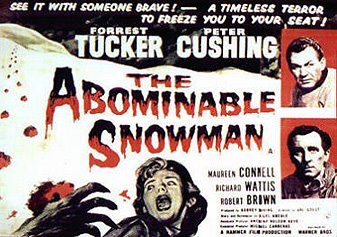
The Abominable Lymph Node

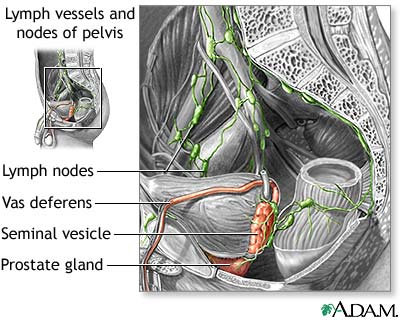
Well, actually, that should be abdominal lymph node. Or perhaps deep pelvic lymph node from hell. Wherever it is, it is starting to really annoy me.

I first noticed the Abominable Lymph Node (ALN) in February 2005. I was laying on the sofa reading a nonfiction book, 50 Acres and a Poodle, about a woman who says goodbye to city life and moves to a Green Acres-type place. Her boyfriend develops a strange pain in his abdomen, which turns out to be a tumor on the intestine.

The ALN was then only noticeable when I lay flat on my back; there was just a slight sensation of pressure near my left hip, nothing painful. If I lay on my side, or stood up, or sat in
a chair, I did not notice it. Still, it was a new sensation, not unlike the new sensation the boyfriend in the book had begun to notice. And it definitely wasn’t normal.

“Oh, it’s probably just a lymph node,” I told myself as I read each page with increasing interest, my growing paranoia kept barely in check.

I convinced myself to get a CT scan just in case I was being blindsided by another health misfortune. After all, chronic lymphocytic leukemia had come as a complete surprise
and I had no way of knowing if Pandora’s Box was still open, letting all sorts of nasty things out.

It turns out there was a happy ending to the book. The boyfriend’s tumor was b
enign. And there was a reasonably happy ending for me, too: it was just a node. I was about to start my second course of Rituxan therapy and I expected it to take care of the problem.

But four rounds of Ritu
xan later, the ALN was still there, though it had hardly earned its name at that point. As time went on I got used to it. The pressure increased almost imperceptibly. When I started eight rounds of Rituxan in October 2005, I hoped that might take care of it. No such luck.

During the early part of
this year, the ALN grew from a minor sensation to a slight bother. I would notice it when sleeping on my right side, and when sitting. When Marilyn and I drove to Columbus, Ohio to see Dr. John Byrd, it was there -- not especially troublesome but present nonetheless. I asked Byrd about it, and he stuck his hand into the flesh next to my left hip and said, matter-of-factly and without any concern, “Yes, you have some deep pelvic lymph nodes.”

I asked Byrd whethe
r I needed CT scans to monitor those and other nodes, and he said it wasn’t necessary. If, for example, a node were pressing on a kidney and becoming a problem, it would show up in the creatinine numbers on a chem panel.

My chem panels before
and since have been marvels of normalcy. Whatever the ALN is pressing on, it apparently isn’t all that important. But it is noticeable, and during the last week or so it has entered the realm of chronic pain. Not horrible nerve-shooting-down-the-leg pain, which I have heard about in CLL. Just pressing and pressing and pressing, noticeable no matter where I sit, stand, or lay. I am not sure what water torture is like, but this could be similar. For the first time this past week I couldn’t sleep because of the pain and had to take an ibuprofen.

Now I realize that in the grand scheme of chronic pain this is nothing. It is not interfering with my life and daily business, just making things more uncomfortable. I rather enjoy ibuprofen and that will work for awhile, I suppose, but it is not a solution. Neither is asking my doctor for percocet or oxycontin. I can enjoy a few hours of spaciness as much as anyone, but it is not a way to live one’s life. I suppose there is acupuncture, or perhaps hypnosis, but these are, again, temporary solutions to a problem that will only get worse.

So the ALN has done what I have been expecting one of these days to happen: it is the symptom that heralds the end of watch and wait. The ALN is the other shoe that finally dropped. Nodes, abominable and otherwise, appear to be my major symptom. My hemoglobin and platelets are still well within normal with no downward trend, meaning that marrow impaction is not an issue. (In fact, my latest CBC shows platelets going up.) I still have no B symptoms. Just a very thick neck (to match my thick skull) and a rather distended abdomen.

What is the aim of treatment? To reduce the nodes (and tamp the dise
ase back down again). And to do this as part of my near-term treatment strategy. That strategy, simply put, is to use HuMax-CD20 when it arrives on the market, perhaps in 2008. My goal is to get from here to there, and then to use HuMax for as long as I can. Burn no bridges, play for time, the same old song, now with rhyme!

I meet with my local hem/onc later this month to formulate a treatment plan. What exactly that is yet, I don’t know. But it will involve Rituxan and very likely something else. The Abominable Lymph Node has got to go.

Tuesday, September 12, 2006

Fludarabine's Achilles Heel

I don't often post here just to recommend someone else's post, but I am making an exception today. Dr. Terry Hamblin has provided an elegant and simple explanation in his blog of why using fludarabine may not be such a good idea unless you really and truly have your back to the wall.

What adds an especially worthwhile dimension to Hamblin's piece is that it puts CLL into context, so to speak. This context -- the "what does this disease
really mean?" -- is something we patients are always trying to get a handle on. Hamblin points out that patients don't usually die of extra white cells wandering around, they die of things related to reduced immunity.

Immunity is degraded by the disease over time, even before treatment. For example, immunoglobulins (IgG, IgA, IgM) are known to slowly decline as the disease ramps up. Nonetheless, our bodies can learn to accommodate large amounts of CLL, and our immune systems can still function reasonably well for a long time. For many of us, there is a certain workable stasis. If we choose to nuke the CLL, we also nuke what is left of the immune system. But the bacteria and viruses that were lurking on planet Earth and in our bodies before therapy are still there afterward. This is one constant that does not change.

It is a given that immunity is made worse by treatment. CLL patients who have gone through fludarabine regimens often look like AIDS patients when it comes to their T cell count. It does you no good to get a "sterling" remission if you die of an infection some months later. (As an aside, follow-up is not the strong suit in some clinical trials. And "acceptable toxicity" is easy for researchers to say, and quite another thing for you to live with.) CLL Topics has been reporting recently about the dangers that lurk after therapy -- take a look here and here and here. If I were to make a list of the major news stories in CLL during the past year, the growing recognition among experts of problems stemming from T-cell depleting therapy, which also includes Campath, would be at or near the top.

Death by fludarabine is not merely theoretical. I know of patients, plural, who have
used fludarabine and died of the complications, both immediate and long term. I know of others whose lives have been made miserable by the effects of reduced immunity, and elsewhere in his blog Hamblin posits that once fludarabine does its thing, the immune system never recovers to where it was before.

Now I also know many people who have used fludarabine, and who have used it in combination with Rituxan and perhaps cyclophosphamide, and these people sailed through therapy. They feel great and have no regrets.

Fludarabine does have a place in CLL therapy and when you have to use it, you are glad it is there. Fludarabine is basically a good thing. What concerns me is the reflexive, even wanton, use of it by people who don't think these things through.


The bottom-line question is: What will make you live longer?

So often we patients and our well-meaning doctors can see no further than the tips of our noses. It is worth repeating this point ad nauseam: Depth of any given remission does not necessarily mean you will, over the course of your battles with CLL, live longer. Always ask yourself: What is the potential long-term price of your choice? Not just in terms of burned bridges, but in terms of reduced immunity and its complications? Are you jumping out of the frying pan and into the fire? Some of us -- perhaps including me one day -- will have no choice but to make that leap, but why do it before you absolutely have to?

Hamblin points out that, as time has gone on, chlorambucil actually might be providing longer overall survival than fludarabine, and he argues that there should be a study of chlorambucil plus Rituxan. Such studying, to the extent that there has been any, has been in individual patients convincing their individual doctors to give it a try. Anecdotally, at least, reports posted in such places as CLL Forum and the ACOR list show it to be an effective enough therapy. Rituxan seems to potentiate everything it comes in contact with. (It would be interesting to see how R+CB stacks up against RF in terms of immune and other complications, as well as depth and length of remission.)

Dr. Hamblin's interest in and support for this combination has given it a push in the patient community. Prior to his arrival on the scene, R+CB was mainly promoted b
y Kurt Grayson, a patient and friend of mine who years ago had the smarts to ignore the advice of a prominent doctor who told him he'd be dead any day if he didn't do heavy-duty chemo ASAP. Kurt was greeted with derision for his "old fashioned" choice from some fellow patients who figured bigger is better. Now, as the old song goes, everything old is new again.

Even today, those of us who choose the more conservative route -- be it Rituxan as a single agent or an "unorthodox" combo like R+CB -- still face an uphill climb when it comes to credibility in the offices of many hem/oncs. But do remember that the road less traveled may get you further, and that the assumptions of today may be turned on their heads tomorrow.

Saturday, September 09, 2006

Accuracy in Medium, er media

This post isn’t about CLL -- thus the "OT" for "Off Topic" -- but then I am not all about CLL. Sometimes I complain about other things. The ability to kvetch transcends one’s state of health. Indeed, the ability to work up a fair degree of indignity is probably a sign of health. When I used to work at a hotel catering to a crowd of older folk, there were several good candidates for a T-Shirt emblazoned with these words of wisdom: “The more I complain, the longer God lets me live.”

But I am digressing from my digression.

Marilyn and I enjoy the NBC TV show Medium. For those who don’t know, it’s about a psychic, Allison DuBois, who works for the district attorney’s office in Phoenix, Arizona. Allison, played by Patricia Arquette, is married to Joe Dubois (Jake Weber), and they can never get a decent night’s sleep. This is because Allison is always waking up from strange dreams that may or may not turn out to be premonitions, or postmonitions, or whatever, and which always have some bearing on the plot. The DuBois’ have three young daughters, two of whom also have psychic abilities. The family scenes are well-drawn, showing exactly what life must be like in households were metaphysics coexists with the mundane, where the wife is dreaming about severed heads while the husband wants some nookie.

What makes it a little more interesting for us is that the show is set in Phoenix,
which is the fifth largest city in the United States, and which Marilyn and I know fairly well at this point, since we live two hours north of it and go there frequently. Phoenix is a big, sprawling place. Like much of Arizona, it is surrounded and interspersed with craggy mountains that look blue-gray from a distance. These lend the city its character, such as it is. I will not pretend that Phoenix is a great urban treasure, like Venice or San Francisco, but it is a decent enough place. The climate is hot but not humid, homes are fairly affordable, and the air is clean once in awhile. It has a symphony and an opera and a world-class American Indian museum and one of every major sports franchise, even ice hockey. There are at least 15 Vietnamese restaurants now, which is sort of the scale I go by in grading cross-cultural advancement among American burgs. Metropolitan Phoenix is defined as everything within Maricopa County, and includes such cities as Scottsdale, the toniest suburb; Tempe, which is the home of Arizona State University; Mesa, which is bigger than St. Louis but has no there there; and Sun City, the retiree mecca where they roll up the sidewalks at five.

Medium is set in Phoenix because there really is a "research psychic" named Allison DuBois who lives there; and the more Marilyn and I watch the show, the more we realize how careless the writers are about all things Arizona. For those who have never looked at a map, Arizona is adjacent to California, where people in Hollywood produce shows like Medium. It’s not like they’re being asked to describe life on Mars.

By the time I get to Ely

Some of the inaccuracies are understandable enough and simplify things for plot purposes. The name of the county has b
een changed from Maricopa to Mariposa, presumably for liability reasons. Maricopa County has a county attorney, and in Medium this person is known as the “district attorney.” In the show, the mayor of Phoenix and the deputy mayors of Phoenix are always breathing down DA Devalos’ neck. In reality, Phoenix is just one of the cities served by the county attorney, and the mayor of Phoenix has no authority over that attorney. In fact, nobody knows who the mayor of Phoenix is. (OK, it’s Phil Gordon, but nobody cares.)

Beyond this, the sh
ow gets into some things that can only be described as bloopers, small and large. Some are the kind you only notice if you live in the area. In one episode, the University of Arizona is described as being in Phoenix, when it is actually in Tucson, two hours south. Would the writers have placed USC in Fresno? I doubt it. In another episode, one of the DuBois daughters gets an opportunity to speak to the "state Assembly.” California has a state Assembly. Arizona does not. It has a state House and a state Senate, collectively known as the state Legislature. In yet another episode, Phoenix police respond to a call in Scottsdale. Would the writers have had the LAPD show up in Long Beach? Again, probably not.

Medium also makes little effort to show what Phoenix looks and feels like, which is why on Medium it feels like Los Angeles. They do try to get in a lot of shots of palm trees, but there is seldom a blue-gray peak, and hardly ever a Southwestern-style ranch house, and no hint of the vast sky and its play of light at sunset. The Medium Phoenix is a bit too verdant, the light is a bit too dim, and Allison is always wearing sweaters and jackets, which people do not do all that often in the hottest metropolis outside Mecca. Allison never gets in her car in the summer, touches the shift lever, and screams in pain.

The worst blooper I have seen (so far) occurs in an episode where a killer is descr
ibing the route he took while driving from Phoenix to Los Angeles with a victim. At one point he starts waxing about “where the road turns into one lane.” Perhaps in 1906, but not 2006, where something known as Interstate 10 connects the two metropoli. Worse yet, he goes on to use the phrase “by the time we got to Ely, Nevada.” I have included a map here showing the route from Phoenix to LA via Ely, Nevada. Does anybody check facts on the show? Or do they simply not care?

The larger relevance of these mistakes is that they call into question just how much
Hollywood gets wrong about everything everywhere.

"Facts are stupid things" -- Ronald Reagan

As the brouhaha about the ABC movie The Path to 9/11 shows, accuracy in the portrayal of events is crucial when it comes to the writing of history. (Rewriting history is easy, but it is an affront to those who died in the making of it.) Accuracy is certainly more important in a project that purports to tell what really happened in the run-up to a major terrorist attack than in a TV show about a psychic. But I wonder if all this isn't symptomatic of an underlying disease in which our society has become too careless with the facts. I used to be a newspaper reporter and editor, and I was trained with the idea that you did not just accept someone’s word about something, you double-checked the “facts” that were presented to you before running with the story. This was a sacred tenet of the work. If one didn't always do it well, one always made the effort.

If I had stayed in journalism, I would have slit my wrists by now. The most recent example of a media that didn’t do its job is the case of John Mark Karr, the pathetic loser who claimed he killed JonBenet Ramsey. A little healthy skepticism, and some digging, might have nipped this in the bud a little sooner, or at least presented some balance to the piece. Yes, there were a few doubters, notably Dan Abrams on MSNBC. But for the most part we were treated to a spectacle in which inane details, like how many times Karr got up from his seat on the plane to LA to use the bathroom, became the news of import. Infotainment is replacing hard news, and i
n the span of a generation we have gone from Walter Cronkite to Katie Couric. “Journalist” has come to mean “newsreader.” In such an environment, what really happened on the road to 9/11 can be forgotten if it is inconvenient to the plot -- or point -- that a particular writer or director is trying to make. We live in a state of fiction masquerading as fact. (I have no problem with people taking particular views, but label them as such -- "editorial commentary" or "opinion" -- and if I may quote my favorite jurist, Judy Sheindlin, don't pee on my leg and tell me it's raining.)

The signs are ominous: with so many competing media outlets that need to fill never-ending news (and entertainment) holes that are as big as black holes, we cannot be bothered with accuracy, with fact-checking, with getting something right. (Ironically, the more cable news channels, the less actual news reported.) In a world of spin, truth has become a relative
thing.

This is most tragic in the news division. The television media especially seem to lack the fortitude or even the basic talent to question what they are fed. The result is a regurgitation of spin from one side or the other, thus compounding inaccuracy and confusion. No wonder the American p
ublic mistrusts the media almost as much as it does politicians.

Media laxity and herd-think has done our country another great disservice. Without launching too far into another tangent, let me say that the press did not do its job in the run-up to
the Iraq War. We are now paying the price for the Fourth Estate’s cowed cheerleading. I am Joe Blow sitting out here in the middle of the desert and I smelled a strategic and political rat from the very beginning. Did anyone of influence in the major media take a detached, critical view of the situation in 2002 and early 2003? Friday afternoon’s news dump was a report by the Senate Intelligence Committee that showed there was no connection between Saddam Hussein and Al-Qaeda -- in fact, Saddam distrusted Al-Qaeda -- and that the Bush Administration had been told this by intelligence services before it went to war. Surely some enterprising reporters could have gotten somewhere near the bottom of this a little bit closer to the event. And now we learn this how many lives later?

But back to Medium. It’s a good show. It’s entertaining. It’s not accurate about the place in which it is set, but it would seem we Americans no longer prize accuracy above expediency. In TV-land, this is merely annoying. In the real world, the consequences can be damning.

Sunday, September 03, 2006

Third anniversary

Today is the third anniversary of my diagnosis with chronic lymphocytic leukemia. It feels like any other day, which is only appropriate considering that CLL has become part of my daily routine. There were times, in the beginning, when I feared I wouldn’t live another three months. And there were times when, after visiting uninformed doctors, I felt confident that I would live another thirty years.

I am not sure how it will all pan out, but I am pleased with the three-year increment. It is a bite-sized stretch of time, long enough to feel like a long time, short enough to plan for. I have li
ved three years with CLL. I have every expectation of living another three. I can see myself getting from here to there. Flying anvils may yet do me in, but when it comes to CLL, I am not beaten.

If w
ondering how I will make it another thirty years can be depressing, knowing I will make it another three is reassuring. And if three years from now I can see a clear route to three more, then maybe I will make a long journey in small steps. Perhaps I will surprise myself one day at how far I have come in increments of three.

The n
ext three years will no doubt be different in some ways that I cannot imagine. But I do know that the unending process of figuring out if and when to treat the disease and with what will be part of the picture. I am used to this landscape, less afraid of it than in the past but rather more annoyed at the time and energy it takes to navigate and negotiate. In most cancers you fight, you win or lose, and you're done. CLL is like the movie Groundhog Day, in which the main character relives the same day over and over. You fight, you buy some time, and then you have to do it all over again. In some ways, having CLL is akin to the labors of Sisyphus, the king in Greek mythology who was forced to push a boulder up a hill for eternity.

CLL is not complicated, but there is nothing simple about it. It is considered to be a “systemic disease” because the mutant B cells are everywhere, but it is systemic in more ways than one. It is systemic in the time, money, and energy it takes, in the stress and anxiety it causes, in the well-laid plans it disrupts.

Perhaps the next three years will see an evolution in the way Marilyn and I cope with the totality of what it means to have leukemia. Perhaps I need to learn to better compartmentalize CLL’s role in my life, to put it away in the attic more often, to practice the old adage “out of sight, out of mind.” Marily
n and I deserve some time alone without the elephant in the room. Marilyn especially does, for this is harder on her than it is on me. CLL is something I have made and that I have to live with, and that I have become familiar with. If to me it is an intimate enemy, to her it is an alien who threatens to steal me away. We see it from different vantage points, and whenever we go traveling and get away from it for awhile, we both see that it takes a great deal from us. So in the next three years I hope we can learn to live better with it than we have, by whatever strategies make sense.

And that is the point: to live well. I do not mean sipping champagne on the Riviera, though that would be nice. I mean living with a good degree of harmony, in comfortable surroundings, doing things that are, on the whole, more life-enhancing than stress-creating. This is all the more a challenge given CLL, but it is not impossible.

Perhaps that is the lesson of the last three years: Nothing is impossible, and that includes the prospect of beating this disease. I w
ill take that thought to heart, three years at a time.

Saturday, August 19, 2006

More opportunity costs

I had an interesting reply to my last post, Opportunity Cost, Opportunity Lost. Written by “Anonymous,” that John/Jane Doe of the internet, it went:

“Dr. Hamblin disagrees with you. He has written in January 2006 (search his blog) that the patient should have his spleen removed, have transfusions, just about be on his deathbed before starting treatment. Read his blog entry if you don't believe it.”

I follow Dr. Terry Hamblin’s blog, and I have read the entry in question, as well has
his other entries on the subject, and I generally agree with his approach to treatment. In fact, one of the most important things he has done through his blog and his participation in the ACOR list has been to raise patient awareness about the limits of treatment, and to argue effectively that it should usually be the last resort, not the first.

Anonymous is assuming incorrectly that the purpose of my last post was to promote early treatm
ent; it was merely to show that there can be opportunity costs associated with treatment decisions, including ones in which we avoid treatment at all costs (pun intended).

If we didn't have any soft-glove treatments for chronic lymphocytic leukemia -- which was the case until a few years ago -- I would probably agree with what Anonymous said Dr. Hamblin said. I would have to be at least half dead, preferably three-quarters, before starting treatment.

Of course, it is easy to say something like that, and another thing to do it. Take a splenectomy, for example. Removing a huge spleen involves major surgery, and doing it in a patient whose ma
rrow has crashed to the point of needing transfusions makes it a much more dangerous operation than it would be in an earlier-stage patient. Is there not an opportunity cost if this hypothetical patient succumbs to operation complications or a hospital-related infection by having waited too long to deal with the spleen?

These ir
ksome opportunity costs are lurking everywhere we CLLers turn, and they are to be ignored at our own peril. Explaining this concept was the purpose of my last post, and elaborating on it is the purpose of this one.

Float like a butterfly

Back to the point about soft-glove treatments. In 2006, we do have one -- the CD20 monoclonal antibody Rituxan (rituximab), which is likely to be followed soon by HuMax-CD20 (ofatumumab), wh
ich is now accruing patients for Phase III trials and has been accorded fast-track status by the FDA.

(Chaya Venkat of CLL Topics has written a few tantalizing lines about an even
more powerful monoclonal coming down the pike, nicknamed the “B1 bomber.” And there are, of course, researchers hither and yon working on some interesting concepts such as HSP-90 inhibitors and treatments to attack the ZAP-70 protein. All of these targeted therapies -- some of which won’t pan out, and some of which will -- promise much lower toxicity than traditional chemo.)

In so
me patients and under some circumstances, these low-tox therapies can change the game. I view these drugs as tools -- methods, essentially, of extending watch and wait. (Or, put another way, methods of disease control, however imperfect.) While they don't come with no cost, the risk-reward scale tends to put them into a different category from traditional treatment.

To quote Dr. Hamblin, from his blog entry referenced above:

“If treatment is inevitable, my choice would be the treatment that is least harmful. At the moment this is rituximab. It only works in about half the patients, and it does lower the levels of normal B cells, but this is transient and they quickly return. Rituximab plus a growth factor like G-CSF or GM-CSF may well be more effective. So if it works for you and gives you a year off treatment then go for it, and don’t be afraid to repeat it. True rituxima
b resistance is very rare. In some patients increasing the dose will turn a non-responder into a responder.”

Building bridges and blowing them up

Ritux
an and the coming next generation of monoclonals mean that patients may be able to build bridges into the future while still preserving hard-chemo options should they become necessary. If one can scrape by with Rituxan until HuMax arrives, then scrape by with that until the B-1 bomber takes the field, or until a monoclonal targeting something else becomes available, or until a breakthrough in vaccine or molecular or biologic therapy happens, one has made a wise use of these opportunities.

Conversely, if one hits the CLL hard at the start with what I like to call A
lphabet Soup Chemo -- RF, RFC, CFAR, RFC+M, R-CHOP and the like -- one has paid a big price in terms of opportunity cost: The soft-glove drugs work best in people whose immune systems are relatively intact, and Alphabet Soup Chemo can lead to all sorts of immune problems, including neutropenia, T cell depletion, and such nasties as myelodysplastic syndrome (MDS). While CFAR is blasting away at your CLL, it is also burning your soft-glove bridges.

That said, drug response in CLL -- depth of remission, tolerance and side effects, development of disease resistance --
can be idiosyncratic and unpredictable. Rituxan is no panacea, and for some it is pretty much a wasted effort.

For others, it is a lifeline, allowing them to maintain a good quality of life for a long time. I am a Bucket C case, and my disease has progressed a bit despite my three courses of Rituxan. But I believe that Rituxa
n has slowed that progress. (In the irony department, is “progress” really the right concept here?) I am IgVH unmutated, now with the 11q deletion, and I have been at Stage 2 since my diagnosis three years ago. Would I have progressed by now to a later stage without the Rituxan? There is no way to know for sure, but I decided long ago that the opportunity cost of doing nothing was too great to risk finding out.

Single-agent Rituxan is not, of course, an acceptable approach to some doctors. (Among these, it seems, are a few like Lt. Col. Bill Kilgore of Apocalypse Now, who love the smell of napalm in the morning.) They would argue that there is an opportunity cost to using soft-glove treatments prematurely, that this use may render them less effective in combination therapy when and if the time comes that a patient needs a stellar, MRD-negative remission.

From what I gather, though, patients using Rituxan as a single agent do not close the door on this; the synergy between Rituxan and chemo agents seems to boost the effectiveness of both, though there may indeed be some diminution. The patient is left lo
oking at opportunity costs and wondering: Do I let the disease go until I might need Alphabet Soup Chemo, reserving my Rituxan for the best possible remission then? Or do I try to control the disease with it now -- perhaps putting off that Alphabet Soup Chemo forever if I build my bridges right -- yet knowing that my chances of a MRD-negative remission may be somewhat reduced if I ever need one? (And, let’s add these delightful monkey wrenches: Do I assume that science will/will not come up with additional drugs that might render these costs moot in X number of years? Is a MRD-negative remission all it’s cracked up to be?)

So far -- and again, this is my personal view -- I can only see three cases where enduring the toxicities and potentially deadly complications of Alphabet Soup
Chemo is worth it:

One is in a pre-transplant situation, where extreme cytoreduction is a key to success.

The second is in cases where a person’s disease is past the point of being controlled by soft-glove treatments, or by palliative means such as transfusions, and in which t
he benefits of Alphabet Soup Chemo decisively outweigh the risks.

The 17p dilemma (and a bit of good news)

The third, perhaps -- and this is a big “perhaps” -- is in the case of early-stage, high-risk patients. In fact, there is some debate among experts about whether early intervention may be warranted in patients with the worst cytogenetics, such as unmutated, 17p-deleted cases. In a newly-diagnosed, asymptomatic, Stage 0 patient with unmutated 17p (or even 11q) CLL, is there an opportunity cost to doing nothing? After all, the disease always progresses, fewer drugs work on 17p, and both 17p and 11q patients tend to get shorter-duration remissions. Is it bette
r for the patient to pull out the alphabet soup and blast the disease early, go for something of a cure?

Of course, this being CLL, there is always another way of looking at things.

Here’s an interesting tidbit from a pilot study of 12 patients by Ron Taylor and company at the University
of Virginia. Taylor is a leading proponent of the concept of CD20 “shaving,” and suggests that low-dose Rituxan may actually be more effective than higher-dose given the way the body’s complement system responds to the drug. The study included six patients with the 17p deletion. Patients were given either 20mg/m2 or 60mg/m2 of Rituxan three times a week for four weeks (the usual dose is 375mg/m2, so this is really low dose.) The results flew in the face of conventional wisdom, which is that Rituxan doesn’t work in 17p cases: “The two patients with the highest cell surface CD20 expression achieved CR (complete response),” the authors wrote, “despite the presence of the del 17p in both cases.”

Let me repeat that: Low-dose Rituxan has been shown to have significant activity in 17p-dele
ted patients with good CD 20 expression. (Of course, this needs to be studied and verified in larger groups of these patients, but this pilot study has to be welcome news to those in Bucket C-minus.)

So, assuming this good news is correct, and considering that 17p is known to quickly turn aggressive, is there an opportunity cost for such patients in not using low-dose Rituxan early on in their
disease?

I cannot solve all these maddening dilemmas, just point them out. A wise person once said that the key in life is not to know all the answers, but rather to ask the right questions. For us patients, just knowing what to ask, and what considerations to balance, is trouble enough in itself. Failing to get some kind of handle on this carries its own opportunity cost: being unable to map out a workable long-term strategy, and being unprepared for the unex
pected.