Friday, February 24, 2006

Notes from a small world

The nurses call it Chemoland, the infusion room with the row of big chairs and the IV poles, where everyone faces straight ahead into an uncertain future. Sometimes one is reminded that if chronic lymphocytic leukemia is not the "good cancer" it is made out to be, it is also not the worst.

It is April 2005, and I am getting a Rituxan infusion, having gone more than a year since my first course of Rituxan put me into a partial remission. In the chair to my left is a woman with short hair, 50ish, taking a new treatment for pancreatic cancer. The old one stopped working after six months, and the prognosis is not good.

Her name is Lynn, and she is often on the cell phone with her husband.

“He’s always hoping to find a miracle cure,” she tells me, in between calls. She says it with the loving indulgence that spouses sometimes allow for the excesses of their mates.

Despite her situation, Lynn is sunny and breezy. We talk about her recent trip to Italy, a sunny and breezy place. We compare cities we've been to and sights we've seen, and then I learn that she’s my next-door-neighbor’s ex-boss.

Small world, since I live two hours away, in a small town. Turns out that she lives there, too.

Also turns out she had the same doctor I had initially, a certain Dr. Lippencot, and that she, like me, was a refugee seeking a better standard of care. Lippencot had treated Lynn for breast cancer a few years back, and later for pancreatic cancer. When Lynn’s pancreatic cancer relapsed, she called Lippencot’s office to ask that a regularly-scheduled appointment be moved up. She was told that this was impossible. When she pushed and pushed and finally got in to see Lippencot’s partner, she was told there was only one treatment that could be done, that it had been done, and that nothing else could be done.


Lynn took to the internet, a rite of passage for patients these days, and found a new but experimental treatment. Then she found a new doctor, my doctor, whose medical knowledge is a bit more current, and who was willing to give Lynn's hope a chance.

So here Lynn sat, next to me, telling her husband to pick up something for dinner, jawing about Rome and how pancreatic cancer has a two-year median survival, almost in the same breath.

On the other side of me is a woman in her late 30s, early 40s, undergoing treatment for breast cancer that has spread to her liver. Apparently the first round of treatment had resulted in a 100-point drop in whatever measurement of cancer is used in such cases. This is a good response, I gather, but her number is still high, 400 or so.

An older woman, who I take to be her mother, is in tears.

“That’s such good news. It’s out of your liver. I bet it’s out of your liver.” Her words betray an uncertainty, and are stated as if speaking them aloud will make them true.

“We should have kept up with the chemo before,” the mother went on. “No use kicking ourselves in the butt about it now.” I can tell there has been much kicking, much anguish. Again, I think that by speaking the words, she hopes to make them true.

The young woman keeps up a brave face, says she is grateful for the 100-point drop, but says she knows there is a lot farther to go. She looks tired, apprehensive. She asks the nurse for a drug to calm her nerves.

I sit in the middle, likely destined to outlive both my chairmates. I am reminded that the road could be harder, that the end, if it is to be, could be more abrupt.

For Lynn, the end came last month. I met my neighbor when he was out walking his dog; Lynn had fallen into a coma in her last few days, and then died. From the time I saw her in Chemoland, she had lived another nine months.

There was an obit in the paper, written with love and care, probably by that husband who was always hoping for a miracle.

“She loved life, embraced every moment and adored adventure and travel. She was a mentor, inspiration, and friend to many, while helping those in need. She saw the best in people and offered great encouragement. She was a loving mother, wife, daughter and sister. She was greatly loved and will be missed.”

There was a picture, too. She had long hair, and a beaming smile, and her eyes were sparkling as much as they could in black and white.

Godspeed, Lynn, Godspeed.

Saturday, February 18, 2006

GrannyBarb's (cyber) grandchildren

Have you ever known a city of several thousand people that had only one restaurant? Wouldn't you want some choices, places with a different atmosphere and different fare?

For a decade, the online CLL community has had the ACOR CLL List. It's well-established, a bit formal, a place where you can get a little dressed up and have an elegant dinner. The food is often excellent, and the ambiance is a bit reserved, with a premium placed on good manners. But what if you want to go somewhere to unwind, wear jeans and a T-shirt and get a burger and a beer?

The restaurant metaphor came to mind as I began to ponder the significance of a new CLL patient and caregiver resource, the CLL Forum, which came online last week. Naturally enough, some people have wondered aloud whether CLL Forum is intended to compete with that venerable establishment, ACOR. I am offering my views here, both as an ACOR listmember for more than two years and as a moderator in the new forum. As always, my opinions are strictly my own.

The ACOR CLL list was founded in 1996 by Barbara Lackritz, better known to CLLers as GrannyBarb. Barb was a CLL patient who fought the disease for 14 years, and who turned her considerable energy and talent to using the internet for the betterment of the patient community. I did not get to meet her -- she died several months before my diagnosis -- but she is spoken of with affection and even reverence by those who knew her.

ACOR, for those who don’t know, stands for Association of Cancer Online Resources. This organization, which hosts any number of lists for any number of cancers, uses a listserv format. Back in the last century (!), that format was all the rage. It is text-only, which means that users cannot upload pictures or use graphics. (Even using the "rich text" setting in one's e-mail program can cause a mysterious "=20" to appear at the end of each line.) Posts can be delivered to members in a daily digest, which contains a long string of posts organized by nothing more than the order in which they were posted. Thus a jumble of subjects awaits the reader. After their day in the sun, the posts disappear into that dusty cyber-attic known as the ACOR archives, which are invaluable in that they contain 10 years of patient experiences. The archives allow for a basic organization of the material through a search function, which, alas, seems to befuddle some members.

The listserv format is thus self-limiting, although some people have grown comfortable with it, and there is no denying that it is relatively simple to use since there isn’t much you can do with it. Other people, who have experience posting at non-CLL discussion groups where messages are threaded, and where graphics are part of the communication experience, find the listserv to be one-dimensional. Posting photos, using avatars, changing font colors and sizes, using emoticons (those little smiley things), and allowing for off-topic subforums can create a greater sense of community by allowing people a greater latitude to communicate. This can be especially valuable in providing emotional support, one of the key functions of the online experience for cancer patients.

ACOR’s limited format has other consequences. By extension -- because it would be even more cumbersome to slog through a digest containing 60 posts each day instead of 20 -- ACOR has developed a tradition of trying to stick to the point. Apparently, GrannyBarb had to admonish the occasional member to “stick a sock in it.” And so ACOR has dealt largely with treatment issues -- with the murky proviso that one not give "medical advice" -- and to some extent with emotional ones. Ranting is discouraged, off-topic discussions are prohibited, and matters that might inflame the emotions, such as religion and politics and comments on private v. socialized medicine, are verboten. There is even a ban on “internet humor.” These things are generally understandable given the limits of the listserv format, which requires that the information provided be as focused and as brief as possible.

But, alas, this atmosphere can be stifling to the more free-spirited, and it has encouraged a hall-monitor mentality among a few listmembers, which can be a source of friction in itself. Any group, of course, has its discordant moments. If a waiter occasionally spills soup on a customer, or a customer has a bit too much Bordeaux and starts throwing rolls across the table, it does not mean that the restaurant is a bad place. The ACOR CLL list was, is, and will remain first among equals, an invaluable resource, a place with familiar traditions and excellent food for thought.

CLL Forum, by contrast, uses a discussion format that allows for all kinds of experiences. By its very nature -- a discussion group for leukemia patients -- it will deal with some of the same treatment issues as ACOR. But so do any number of other groups, such as the Leukemia and Lymphoma Society BBS and the three groups on Yahoo: Scott’s excellent CLL Research and Advocacy, where the latest abstracts and news updates are posted; John’s SLL-CLL-Edu, which discusses exactly the sort of treatment questions that arise on ACOR, and which gave rise to the CLL Information Group; and Walter’s CLL_Alternative_Therapies, which goes off the beaten path into an area sometimes discussed on ACOR and often met there with skepticism.

All of these, except the Leukemia and Lymphoma BBS, were founded by people who started out at ACOR but who found, for one reason or another, that there was a niche to be filled elsewhere. They opened their own cafes. And lest we forget, CLL Topics began as a discussion group on Yahoo, and Chaya was an ACOR listmember prior to that.

Now we have CLL Forum, and I’d say this is becoming quite a restaurant town. Ultimately, the events that gave rise to any of these forums are inconsequential in hindsight. Who remembers, and who cares? The important thing is that patients and their caregivers have more choices, more places to belong, more chances to learn and to get the support they need.

Something like CLL Forum was inevitable because of the format limitations of ACOR, and these have been noted in discussions on the ACOR list for quite some time. CLL Forum allows for posts to be compartmentalized by subforum and then topic, and to remain publicly accessible for later viewers, as opposed to disappearing into an archive. The graphics capabilities, as well as those for instant messaging among members and live chat, allow for expanded opportunities for emotional support, and for dealing with all dimensions of the CLL experience. There is even a space for people to rant without bothering those with delicate ears. There are also places just for newbies; one of the problems with the listserv format is that announcements of depressing events such as patient deaths are mixed right in with everything else, making it hard for new patients, just getting their feet wet, to read the daily digest without freaking out.

CLL Forum also has places for people to relate to one another without talking about CLL, to share the other things in their lives that make them whole people: games, hobbies, family, pictures of the canine and feline kids, and so on. In this restaurant, the menu is larger and more organized, and there are several dining areas, some with Mozart playing in the background, some with rock and roll. There’s a pool table and a bar, for those inclined, and I think we may even have a singer, but there are quiet niches, too. It’s a large place, where the food may vary a bit in quality, but where you are more likely to strike up a conversation with a stranger.

Many CLL patients and caregivers have been members of more than one discussion group for quite some time now; I count myself among them. A number of people from ACOR have come over to CLL Forum to sample the fare and are now posting to both sites. (And given CLL Forum’s easier visibility on the net, it will probably attract members who will eventually gravitate to ACOR as well. This networking will help everyone -- after all, there’s a reason they call it the “inter” net.)

There's no law that says you have to eat at only one place, and it is a testament to the energy and dedication of the CLL patient community that we have any number of choices, depending upon what you're in the mood for. You can, for example, have breakfast at Yahoo, lunch at CLL Forum, and dinner at ACOR, after which you can stroll over to the university coffee house and listen to Chaya or Dr. Hamblin. (And you're always welcome here at the hot dog cart.)

We have some ethnic food, too: There's the UK-based CLL Support Association. ACOR has a CLL-UK list, which is managed by one of the managers from the main list, who wears two hats. Then there's Chris's CLL Canada -- I'll take some maple syrup with that! -- founded by another ACOR listmember. In fact, a separate CLL-CN list was started on ACOR in 1999 following complaints that the main list was too oriented toward US issues, leaving members from the Great White North out in the cold.


It's instructive to look at what Barb did about the “competition,” as it were. Here’s what she posted:

Dear Members of CLL-CN,


This is the first post on the list. We started it today with all your names. Maggie is your Canadian List Manager and I'm her assistant manager. Maggie is over the moon about this and I'm flying on her coattails as an honorary Canadian on this list. This lets you know we're open for business.

I'll help in any way I can, and I certainly hope you'll all decide to remain with the global CLL list as well.

Maggie, it's over to you.

GrannyBarb - Honorary Canadian and proud of it! DX 1989, Fludara, Fludara/Mitaxantrone, Fludara/cytoxan, Auto BMT 6/97, presently cancer free

GrannyBarb’s example was to participate in more than one place, to welcome the new kids, and to keep working tirelessly for patient support and education.

As I said earlier, I never had a chance to know her except by reputation. She was the first CLLer to pioneer the internet, and her dedication led to the creation of a brilliant child and enduring legacy, the ACOR list. My guess is that she would be pleased with her growing number of grandchildren, who each contribute in a different way to building a sense of community, and to providing knowledge, comfort, and hope. We should never forget that all of these sites are brothers and sisters in the struggle against an insidious disease. And with the inspiration of Barb's example, we will together, I hope, one day slay the dragon.

I will let Barb have the last word as, I imagine, she usually did. Her generous and positive outlook can be seen in this post from September 1998. While the group to which she was referring was the ACOR CLL list -- no others existed at the time -- her words could just as well apply today to the larger group of resources that has grown out of her original effort.

“We weren't even really a list, just a nutty group of CLLers who had found one another and were determined to share with one another. I'm so glad we did find one another though, and that we grew, and grew, and grew! Each new member of this group adds so much in thoughtful, helpful information that it's wonderful.

"OK. I'll get off my soapbox, but thank you all for being here, for sharing, for supporting us, and for letting the world see what a determined group of CLLers can be.”

Monday, February 13, 2006

Introducing www.cllforum.com

The CLL community has a new internet meeting place: www.cllforum.com

This site has been put together by people with a lot of energy and dedication and I have agreed to serve as a moderator.

Here's the "official" announcement:

We are writing to announce the launch of a new internet resource for CLL patients and their caregivers.

This new site uses a different format than that of the ACOR listserv. It offers an expanded ability to communicate and interact, with subforums for a variety of CLL-related topics, as well as some off-topic options for those who just want to talk about other things. The software allows you to upload pictures, use an avatar to represent you in your posts, change font sizes and colors, use emoticons, and so on. We hope this will be a creative and fun way to communicate and build an online community. Our format also allows you to pick and choose from a menu of things you want to read about and participate in -- for example, those who want to discuss CLL treatment can do so without being interrupted by those who want to chat about the weather. There are no banned topics and we have areas for freewheeling debate.

CLL Forum is not intended to compete with the ACOR list, of which we are all members and will remain members. ACOR is an invaluable resource and its members have gone on to create any number of useful complementary websites, including CLL Topics, the Yahoo discussion groups, and various blogs. We believe this new site will be a helpful part of the constellation of places where patients and their caregivers can go for information and support.

We welcome you to check it out, participate, or just lurk, and we are interested in your comments and suggestions. Your input will help us build the site and tailor it to your needs.

Introducing the CLL Forum:
www.cllforum.com

Sincerely,

Steve Madden
Denise England
Jenny Lou Park

Kurt Grayson
David Arenson

That pretty much sums it up. Stop by and check it out!

Tuesday, February 07, 2006

Rituxan and palliative care

Dr. Terry Hamblin’s third installment of his “What is the aim of treatment?” series has created quite a stir among patients. Many of us, after all, have been assured by our doctors that chemotherapy is pretty harmless, perhaps even desirable, and certainly inevitable. Essentially, Hamblin posits that when it comes to chemo and CLL, we are often putting the cart before the horse. Here is a lengthy but important excerpt:

"Except in the most virulent cases I prefer to take the long view. I’m not much interested in treating a blood count. Treating a blood count is like polishing the bodywork while the engine is disintegrating. I have two concerns. I want the bone marrow to go on making blood cells, and I want to stop the immune system falling apart. So unless the bone marrow is threatened I prefer to avoid treatment. The CLL will eat away at the immune system, but it will do it slowly. Every treatment that I know will make the immune system worse. There is now way of treating the CLL that will restore the damaged immune system.

"So, supportive care is the first thing. Blood transfusion or erythropoietin to keep the haemoglobin high. Surgery for an uncomfortable spleen or one that is consuming red cells or platelets. Irradiation of large or uncomfortable peripheral lymph nodes. Antibiotics for infections. And when infections are caused by low serum immunoglobul
ins then intravenous immunoglobulin infusions on a regular basis. Do what you can to avoid having to have treatment.

"If treatment is inevitable, my choice would be the treatment that is least harmful. At the moment this is rituximab. It only works in about half the patients, and it does lower the levels of normal B cells, but this is transient and they quickly return. Rituximab plus a growth factor like G-CSF or GM-CSF may well be more effective. So if it works for you and gives you a year off treatment then go for it, and don’t be afraid to repeat it. True rituximab resistance is very rare. In some patients increasing the dose will turn a non-responder into a responder.

"It’s after that that you have to think about chemotherapy, and that is the subject of another article."

I am in general agreement with the doctor and am grateful that he is saying what a lot of us patients have been concluding for a long time: the best course is to play for time and avoid chemo until absolutely, positively necessary.

As we wait for Hamblin’s next article, I do want to make a point about supportive or palliative care followed by the use of single-agent Rituxan. My argument is that Rituxan can be part of t
hat palliative care and should be considered for that purpose before the disease gets so out of control that Rituxan is rendered pretty much useless.

If you just let things go and the marrow gets to the point that one needs transfusions of red blood cells, it is un
likely that Rituxan will be very effective as a next step. Indeed, in a Stage IV type of condition, there may be other factors, especially involving nodes, spleen, or unusual conditions, that might require a more powerful drug response. The value of single-agent Rituxan in such a case may be limited, even with the addition of a growth factor such as G-CSF or GM-CSF.

For one, Rituxan doesn't work too well in the marrow, though anecdotal evidence from the MD Anderson R + GM-CSF trial
seems to indicate that it might have a minor beneficial effect. One patient I’ve spoken to, who had bone marrow biopsies both before and after treatment in this trial, reported a small but decent improvement in the marrow -- from 45% CLL cells before treatment to 25% afterwards. (Adding a steroid such as methylprednisolone to the Rituxan would help reduce CLL in the marrow further, as well as reduce the nodes and spleen.)

The finer points of when to palliate and how obviously depend upon one's case of CLL. In my desire to avoid chemo, I am gambling that Rituxan will stave off disease progression -- or at least slow it down -- for as long as possible. (I have had three courses of Rituxan during the past two years.) My plan, then, barring an unforeseen monkey wrench or the arrival of important new drugs on the market, would be 1) Rituxan, 2) palliation when Rituxan fails, then 3) chemo. I am guessing that this will buy me more time than 1) letting the disease progress to the point where palliation is needed and Rituxan may be rather ineffective, then 2) palliation, then 3) chemo. (All these well-laid plans assume, of course, that I don't develop some sort of complication that demands stronger treatment sooner; in the same way that jumping into chemo early can be a mistake, so can avoiding it at all costs when it really is needed.)

I had a baseline BMB done after diagnosis two years ago. It showed 44% CLL cells and 50 to 60% cellularity (the percentage of my bone marrow being used to create cell lines; the rest of the marrow is kept in storage, as it were). This means I have, or had then, a majority of healthy non-CLL cells and a great deal of space for my marrow to make room for cell production. There are patients who don’t have a problem with red blood cell and/or platelet production crashing until their marrow is more than 90% compromised at 100% cellularity. I am hoping that my Rituxan maintenance at the very least will allow me to tread cellular-production water for quite some time.

In addition, there are splenic complications to consider. My spleen balloons between treatments, trapping platelets as it gets clogged with CLL cells and expands. My platelets have been in the normal range but on a gentle decline, and they are always boosted after I have Rituxan, which is working to palliate the symptoms. Would I be better off letting things go and just having the spleen removed? Or are the problems born of Rituxan a better risk than the problems associated with having no spleen?

As to nodes, mine have been reasonably cooperative, numerous but relatively small at their biggest (3 cm or so). There are patients with much bigger nodes. Since some drugs do not work well on large nodes -- notably Rituxan and Campath, the latter being fairly ineffective at the 5 cm level -- I think patients need to think about the implications of leaving them to fester, as it were. Once again, Rituxan can perform a palliative role, reducing the nodes in size for a time and therefore keeping them at bay.

CLL patients face unexpected complications, such as clonal evolution of the disease. The more CLL cells floating around, and the longer you have the disease, the more likely you are to have one of them evolve into an even nastier clone. If Rituxan knocks the CLL population back, it may be a worthy ally here. (When it comes to clonal evolution, given what I know of chemo’s facility for selecting for treatment-resistant clones, I’d rather take my chances with mild treatment or supportive care.)

The whole argument that Rituxan is a suitable tool for palliation hinges on the fact that is is of very low toxicity, at least in most patients. Still, there is risk. Wiping out healthy B cells on a regular basis can contribute to
declining immunoglobulins. Rituxan can lead to delayed-onset neutropenia. In rare cases, it can cause severe skin problems. And for the most part, the consequences of repeated re-use of Rituxan as a single agent in CLL are unknown. You have to take your chances.

There are no easy answers and no elegant solutions. The best we can probably hope for is two steps forward and one step back, and even one step forward and two steps back is better than nothing. As Gilda Radner’s Roseanne Rosannadanna used to say, “It’s always something. If it’s not one thing, it’s another.” But one school of thought is that for patients with all but the most aggressive disease, heavy-duty chemotherapy is the last thing to do, not the first.

AFTERWORD

From today's vantage point it is interesting that I wrote the following:

"My plan, then, barring an unforeseen monkey wrench or the arrival of important new drugs on the market, would be 1) Rituxan, 2) palliation when Rituxan fails, then 3) chemo. I am guessing that this will buy me more time than 1) letting the disease progress to the point where palliation is needed and Rituxan may be rather ineffective, then 2) palliation, then 3) chemo. (All these well-laid plans assume, of course, that I don't develop some sort of complication that demands stronger treatment sooner; in the same way that jumping into chemo early can be a mistake, so can avoiding it at all costs when it really is needed.)"

AIHA, which came a cropping in March 2007, was that complication. I should add that palliation may work in some cases, especially where there is little "bulk" in the nodes, spleen and/or liver. For any number of reasons a great many patients will not have the luxury of this approach. And there is no free lunch: living a transfusion-dependent life certainly diminishes its quality to some extent, and there are risks associated with blood transfusions. Besides viruses and bacteria, these include iron overload. Still, for a few this may be an option. One patient on the ACOR CLL List has done it for years now and with such success that doctors at the NIH want to study her. -- November 18, 2007

Saturday, February 04, 2006

ei8ht is enough

The information explosion has kaboomed all over my TV set, like a swarm of bugs that hit your car windshield and squash themselves in front of your view.

For some time now, the sensibilities of viewers have been assaulted by those little bugs -- actually, symbols of networks such as the CBS eye -- that appear in the lower right of the screen and stay there for the duration of the program.

I have learned to live with this senseless bit of advertising, for the most part, especially in cases where it is shadowed enough to be barely discernable. It’s become an annoying fact of life, like getting sand in your swimsuit at the beach.

My local PBS affiliate had been using the little PBS head, which I was managing to accustom myself to, though I wonder why a nonprofit public broadcasting entity needs to use such reminders. Silly me. Their graphics department has now gone completely insane.

I tuned in last night to watch my favorite collection of political blowhards, The McLaughlin Group. There, almost completely obscuring Pat Buchanan, who sits in a chair on the lower right, was a new constellation of crap. While obscuring Pat Buchanan may not be such a bad thing, really, this was over the top. On the left side of the constellation was the PBS head. To the right was the station’s new logo -- ei8ht -- in large letters. Oh, how clever to make the “g” look like an “8” since this is Channel Eight! (The kids watching Sesame Street ought to have fun with that one . . . “But mommy, the TV says you spell “eight” with an “8” in the middle!”)

What genius at Arizona State University thought of this? How do I know Arizona State University is involved? Because below the “ei8ht” and the PBS head was written, in its glorious entirety, “Arizona State University.” It looks worse on the TV screen -- where "Arizona State" is on one line and "University" is below it -- than it does in the illustration here.

How much more crap can they put on the screen before they start covering Eleanor Clift as well?

To top it off, several times during the show a few zingy notes of music could be heard interrupting Mr. McLaughlin, accompanied by an orange band flashing across the screen announcing: “Next: Antiques Roadshow.”

The USA network already does this, with obnoxious animated images in the lower left corner promoting their next program. I only watch USA for Monk, so I could care less what’s on next.

Where will this trend end? Which station will be the first to rent out the upper right corner to Pepsi or Kentucky Fried Chicken? Will Fox News finally drop its pretense of “fair and balanced” reporting and put the Republican elephant on the upper left?


It almost makes me pine for the old days when TVs had knobs and you could forget what network you were watching and simply enjoy the program. What a revolutionary concept. Maybe some day it will catch on.

Thursday, February 02, 2006

Patientzilla

Just when doctors thought they were safe, along comes Patientzilla. He can breathe fire and he'll stomp on stuff if he has to . . . Empowered patients -- both individually and collectively -- are now a fact on the medical landscape.

The blogosphere, as Forrest Gump might put it, is like a box of chocolates: You never know what you’re going to get.

So imagine my surprise when a hematologist/oncologist, just the sort of animal that we CLL patients depend upon, decided to read my article at CLL Topics called Diagnosing your doctor. Dr. Vance Esler of Amarillo, Texas, was inspired to write a reply in his blog. His first post is called The Empowered Patient. He followed this with Why Your Doctor Doesn’t Want to Talk as Much as You Do.

Since I have a history of diagnosing doctors, and since I think choosing doctors wisely is essential to success in CLL, I was interested in his comments. Basically, Esler says a little knowledge is a dangerous thing but that informed patients are OK so long as they don’t try to practice medicine with his license.

That last point is a valid one, I think; we cannot expect to direct our doctors. We do need their expertise and advice. But we can expect to work with them. This means they should listen to our concerns, and we should listen to theirs.

“I have mixed feeli

ngs about working in the era of the empowered patient,” Esler writes. “It helps when patients are educated enough to make intelligent decisions and to cooperate with the plan. On the other hand, it is tiresome having to negotiate or justify every little thing . . . The information explosion, combined with a desire to treat my patients correctly, forces me to read constantly. It used to offend me and fill me with dread when patients would walk in with reams of stuff they had pulled off the internet. Now I am used to it. 99% of the time I can honestly say, "Yep, I am aware of that." Now I realize that people are just being diligent.”

From what I’ve heard from my CLL friends, and know from my own experience, not all doctors are diligent readers. We live in a sound-bite world, and too often I get the impression that some doctors are barely able to keep up with the headlines, let alone issues of substance that can be at the heart of life-or-death decisions for patients.

No doubt doctoring is a busy business. When I watch mine at work, as I sit for hours in the infusion chair, she is constantly running around the office and barely has time for a bite or two of lunch. And no doubt there are patients that one dreads to see coming. Anyone who works with the public is familiar with this feeling. I used to help run a hotel, and when certain people got within 15 feet of the front desk, I would look for any excuse to step away for a minute. There was one old lady who was such a pain that I wanted to buy her a T-shirt that read: “The more I complain, the longer God lets me live.”

But neither time constraints -- a topic to which Esler devotes a great deal of time -- nor the pain-in-the-ass factor are enough to justify an argument that patients, like good children of yore, should be seen and not heard. There is simply too much at stake for the patient.

Esler has some nice things to say about me and my blog, including that I have “a remarkable grasp (of CLL) for a lay person.” What he may not realize is that I am one of many “empowered patients” with this sort of knowledge, and that there are any number of CLL patients who know as much or more than I do. I just tend to write about it.

There are some compelling reasons why CLL patients, in particular, have felt it necessary to become informed, or empowered, or whatever you want to call it.

The first reason is the quirkiness of the disease itself. In most cancers there may be a very limited set of choices when it comes to formulating what Esler calls “the plan.” It’s almost hard to imagine after a few years in the trenches with CLL, but there may even be some “no brainers” out there: This is what you have, this is what you do, end of story.

In CLL, wise patients have no choice but to think for themselves. In a cancer where even the experts disagree -- think of Dr. Terry Hamblin and Dr. Michael Keating debating the value of heavy-duty chemoimmunotherapy, which they have in fact done in person (click link at very bottom right) -- our very survival can depend upon our ability to question our doctors’ assumptions. This most definitely includes those doctors on the local level who may not be up on the latest, and whose thoughts about treatment may be somewhat outdated. Countless patients have learned the hard way that it pays to be diligent.

[NOTE: If you use the preceding link to CLL Global and read Dr. Keating's version of his debate with Dr. Hamblin, please also see Dr. Hamblin's comment under the "Comments" link at the bottom of this post.]

The search for objectivity

Esler writes: “There is a major caveat to the proactive patient approach: patients who direct their own care lack objectivity. It is said that a physician who cares for himself has a fool for a doctor. Patients who insist too much on directing their care may become just as guilty of that.”

In a narrow sense, I understand what he is saying. Doctors are trained to look at symptoms, blood test results, and the like, and to see a complete picture. Some patients may be fixated upon a particular symptom, may not understand where a particular test result fits in the order of importance, may let emotional issues cloud their judgment, and so on.

But many doctors treating CLL are just as clueless. My own experience with Dr. Lippencot shows what can happen when a doctor mistakenly gets fixated upon a particular symptom. A medical license is no guarantee of expertise. I would venture to say that a majority of CLL patients posting to internet forums have felt compelled to change oncologists at some point. It’s not that these patients want to direct their treatment and are looking for a pushover with a prescription pad. They simply want to find a doctor who they feel is truly competent in CLL, and who is willing to treat them as a partner in the process of formulating “the plan.”

Patients, through their own experiences and from talking with others online, quickly realize that there are any number of subtleties that can be easily missed, or misconstrued, by doctors. Take staging, for example. Dr. Hamblin has quoted Dr. Kanti Rai, the namesake of the Rai staging system, as saying that his entire system would have to be thrown out if one uses CT scans. Doctors using CT scans for CLL are seeing things that Rai, when he developed his system in the 1970s, could not. The result is that patients can be staged “later,” or the disease can be thought to be worse, than it actually is. Hamblin points out that a CT scan will probably show a swollen lymph node in a Stage 0 patient. In another patient it may show a swollen spleen, but if that spleen cannot be palpated, it is inconsequential in the Rai schema. Yet how many Lippencots out there are rushing to treat based upon blobs they see on X rays, failing to put that information into context? Far too many, I’m afraid.

So wise patients -- by necessity -- need to develop some objective sense of the details of their particular case, and where that case fits into the scheme of things. In CLL, only a fool blindly follows a doctor’s orders.

Beyond the technical questions, I think a patient needs to come to grips with his or her condition in order to participate intelligently in the process of treating it. Some -- the ostrich crowd -- don’t want to know, of course. But many patients want a basic understanding, and some want to know everything they can.

Getting some sense of “where I stand” or “the big picture” is, in fact, part of human nature. The world is made up of many kinds of people. Some, who are probably more passive in their non-cancer daily lives, might prefer that a doctor tell them the answer; others, the more strong-willed to begin with, want to know through their own examination of the evidence. They may seek the counsel of a doctor or two, but reserve unto themselves the final determination of “truth.”

So, for any number of reasons, the search for objectivity has become a major task of informed patients. It consumes many an online discussion. Patients are always talking about such things as: Does this symptom mean I need treatment? Which treatment is best given my type of CLL? What are the consequences, down the road, if I use this treatment today?

The CLL Internetwork

This need to figure out what is going on has given rise to a well-developed network of online resources. What I know about CLL is not the product of original research; it is a synthesis of the information available in such places as CLL Topics, the ACOR list, Dr. Hamblin’s blog, the CLL Research list on Yahoo, and perhaps a dozen other places. In these sites I have found links to countless abstracts and articles, and I have also found intelligent discussions of what all these things mean and how they apply to given cases.

I see my little role in this internet enterprise as one in which I help provide some context. I hope to show, in between occasional tangents, how all this information can be prioritized and organized and used in a practical way by patients trying to figure out what to do.

This CLL Internetwork -- I’ll give it a name, and perhaps it is the real Patientzilla -- is used by doctors as well. There are local oncologists who follow CLL Topics, for example. And Topics science writer Chaya Venkat -- a retired research chemist with a doctorate in education -- has developed a good working relationship with some of the top doctors in the field. She can turn to them for information and counsel, and, in turn, she can suggest ideas about clinical trials, prognostic tests, treatment possibilities, and so on. This shows how the internet is a two-way street, giving patients more information but also enabling receptive doctors and researchers to understand what is on the mind of the patient community.

Dr. Hamblin’s presence on ACOR and through his blog also makes an important statement, that here is where his duty is, and here is where the action is. It helps that he is semi-retired and has the time, but it says a lot that he spends it on the net working with patients. Dr. Hamblin, in case you don’t know, is one of the top CLL experts in the world. And what he says definitely gets back to oncologists in countless localities, expanding their understanding of CLL through the patient as intermediary.

A quick example of the growth of an idea is the concept of Rituxan plus G-CSF as a useful frontline therapy. CLL Topics has been beating the drum about this (with EGCG and fish oil added to the mix, in a protocol nicknamed "RHK") for years. A ripple effect started as patients began to convince their local doctors to give it a try. Now, in an important new blog post, we see that this concept has been endorsed by Dr. Hamblin, who has been able to review the anecdotal evidence regarding its use over the course of time. This, in turn, will probably help the concept ripple even further -- an idea born on a patient site on the internet, and coming to an oncologist near you.

The point of all this is that the CLL Internetwork is here to stay and is symptomatic of something that is spreading like a cancer (forgive the pun) across cyberspace: the free availability of information to patients with all sorts of ailments.

This will only expand as time goes on. The net effect (yes, another pun) is that patients will become smarter consumers of medical services. This may be uncomfortable for some doctors, especially those who would rather not be bothered answering questions or discussing details. They will no doubt stay in business, though, because there is a doctor shortage in many places. And because there will always be those patients who prefer to not know, who just want the doctor to fix them. It never ceases to amaze me, as I sit for my Rituxan infusion in what the nurses call Chemoland, that a lot of my fellow patients don’t even know the names of the drugs being pumped into their veins.

For some doctors, who do not carry the baggage of thinking they have the truth in a medical bag, this new era may prove exhilarating. (Even the skeptical Esler says that it “can be fun” to work with educated patients so long as they are “nice” and “respect the doctor’s time.”) There are doctors who have an open approach, who say that learning from patients is one of the pleasures of their profession. These doctors actually appreciate the abstracts, articles, treatment protocols and other information patients have brought to the office. Humility is important in any role we play in life, and that goes for both patients and doctors. We all have room to grow in our knowledge of things.
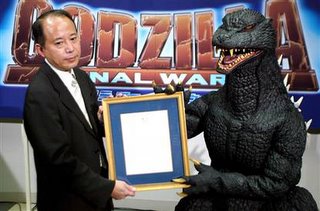
Patient empowerment is now a fact in the medical landscape. The cat won’t go back in the bag, the horse is wandering well away from the barn, and the whole damned camel is in the tent. And this means that the era of the paternalistic doctor will slowly -- very slowly, perhaps -- come to an end.

I get the sense from Esler’s posts that he is not exactly embracing this change, but rather accepts it as a fact of life that takes some getting used to. He is undoubtedly not alone. But he is living, as the Chinese saying goes, in interesting times. The dissemination of knowledge cannot be stopped, and knowledge is power. If you doubt that statement, think of China again. There is a reason the Communist government in Beijing wants Google to censor its search results for Chinese net surfers.

Where the buck stops

If you think about it, people should be empowered about their health, whether they have cancer or not. We should all have an understanding of the basics of how the body works and how best to maintain it, and we should realize that this maintenance is an active responsibility. There seems to be a disconnect in Western society at times, in which people tend to regard their bodies as they do their cars: something to be used any way they like, which can then be towed into the shop to be fixed. Would that it were so.

If I were to define the term “empowered patient,” I would say it is someone who has researched their medical condition and who expects to be involved in determining how it is to be handled.

But there is more to it than that. The empowered patient is one who understands where the power to make decisions ultimately lies. When it comes to deciding on treatment, let’s remember who is employing whom. Patients must be comfortable with what is being proposed for their bodies. They have every right to expect a reasonable discussion of the options. If you’re suggesting that I use a drug with potentially major, perhaps even fatal, side effects, I have every right to expect a few extra minutes of your time to talk about it.

Esler says doctors are sometimes loathe to spend much extra time on patients, pointing out that doctors are generally paid by the job and not the hour. This situation, he says, is the result of price controls forced on doctors by private insurers and Medicare, and means doctors earn their money on volume of patients seen, not on the time spent with each patient. Esler says this isn’t ideal, but it’s just the way it is.

I think almost every patient eventually realizes that we Americans are not living in an ideal world when it comes to the health care system. Rube Goldberg could not have devised a “better” contraption, but that is a rant for another post. Esler’s comments bring home the fact that, to get the most out of their care, patients should be as prepared and focused as possible during their office visits.

But beyond that, there are times when it is necessary to say “damn the system, full speed ahead.” I see adequate communication between doctor and patient as something essential to getting the job done right. As I learned in the hotel business, there are low-maintenance guests and there are high-maintenance guests, and at the end of the day it all pretty much balances out.

Given the pressures and shortcomings of the health care system, perhaps it is all the more challenging to find a doctor whose dedication to his or her craft sufficiently outweighs his or her concern about the bottom line. There is a big difference between doing a job and being dedicated to a craft, and this difference in attitude can be found among people in any profession. My dentist has a sign in his office, something to the effect that every patient gets the personalized attention they need, so please be patient. He is always running late. Good for him.

When it comes to the question of power in the doctor-patient relationship, I will close with a story about Abraham Lincoln meeting with his cabinet shortly after he took office. The cabinet considered an issue and voted to proceed in a certain way. Lincoln was alone in disagreeing with them. He pointed out that his views would prevail since, being the president, he was “a majority of one.”

Well, you are the president of your body, serving a lifetime term. You are the one who must make the final call, and you are the only one who has to live with the consequences. Like Lincoln, you can choose to go along with your advisors -- or not.


The balance of power rests with the patient. The doctor proposes, the patient disposes. In the era of the CLL Internetwork, patients can do so with greater wisdom and intelligence. Doctors had better get with the plan.

Tuesday, January 24, 2006

One aim of treatment is to not treat aimlessly

"What is the aim of treatment?"

Dr. Terry Hamblin has just made two posts to his blog under that title that shed some light on the question. They offer some additional perspective for those of you who have read my discussion Outwitting the dragon: Playing the treatment game.

Hamblin’s posts are worth a read. Among other things he discusses how the medical establishment has approached CLL by way of the more aggressive treatments needed for acute leukemia.

“Most doctors who design clinical trials for CLL have trained as acute leukemia doctors,” Hamblin writes. “Faced with a disease that may span decades they revert to type. Pharmaceutical companies are not much interested in a clinical trial that may last 20 years -- their patents will have run out. Current clinical trials, by common consent, have abandoned overall survival as an end-point; instead they have adopted complete response rate and progression-free survival as surrogates.”

Hamblin goes on to explain the problems with this, that complete response rates and progression-free survival are in the eye of the beholder -- depending on the test used to measure them -- and do not necessarily correlate with overall survival. It’s all a rather messy business, where a certain degree of guesswork is inimical to the process.

So, what is the aim of treatment?

Hamblin leaves that question open, so I will throw in my two cents and provide the answer as I see it:

To maintain a good quality of life for the patient for as long as possible.

Notice I said “good quality of life.” There’s the rub. In a disease that is chronic, that may or may not progress very far, or that may progress rather slowly, what is the point of treatment that might reduce the quality of life?

In fact, maintaining a good quality of life for as long as possible may also involve not treating or treating less.

Treatment of CLL is seldom a necessity if one defines “need” as something that has to be done or the patient may soon die without it. CLL patients do not die of high lymphocyte counts. Most often they die of infections that their compromised immune systems are no longer able to fight off. From what I’ve read, this seems to result from two things:

One, in end-stage CLL, the mutant B cells can so completely infiltrate the marrow that other cells, such as infection-fighting neutrophils (not to mention red blood cells and platelets) can no longer be produced. Or:

Two, complications from chemotherapy, which involve collateral damage to the immune system, have left the body neutropenic, practically devoid of T cells, and unable to mount a defense against invaders.

It seems to me that number two is the cause of more problems for more patients than number one. If I had another day or two, I could list so many scary side effects from chemo that one might think that the very act of undergoing it is suicidal.

It is not, of course. Chemo has its place. It’s just that in CLL, when we are talking about overall survival and quality of life, that place may not be as front-and-center as it is with other cancers. Doctors trained to fight cancer -- not just acute leukemia -- have a hard time with the concept of watching it spread. They revert to type.

Complications from chemo can also have the unintended effect of ramping up the disease, making it resistant to many therapies, by selecting for treatment-resistant CLL clones. If you get a remission that lasts three years and have burned most of your bridges, what is the point? Unless there is a pressing medical necessity, why not wait out those three years, or as many of them as you can, and then start treatment? (Sorry, vanity is not an excuse. None of us wants to look like a chipmunk, but I’d rather be a living chipmunk than a dead Adonis.)

So when I look at the question of when to treat and with what -- which is an enormously important part of the equation -- what are the factors that it boils down to in my mind? And what have I come to regard as a “pressing medical necessity?”

Obviously there are different factors at work in different people. (People with aggressive CLL have a whole ‘nother can of worms to consider and should probably ignore much of what I’m saying.) I can only speak for myself. But here is how I look at it:

So far my body has managed to cope with CLL for what I believe has been at least ten years. The rest of my immune system is weakened but still more or less functional. Typhoid Charlene came to visit and I was the last to get her cold and the first to get over it. My neutrophils are always in the normal range, even after treatment with Rituxan. There is no point yet in throwing my immune system for such a loop that it becomes almost completely useless.

So what would make me think that it's time to risk a little loopiness? Well, any one of the following:

1. If my platelets were trending downward and dropped to a point --and stayed there -- that I would be unable to clot blood and might suffer a severe hemorrhage. Say around 40.

2. If my hemoglobin (HGB) dropped to the point that I started suffering from anemia, leaving me weak and tired and left with a diminished quality of life.

3. If my liver function were seriously compromised, or if the CLL was having some other unusual or rare effect -- paraneoplastic pemphigus on the skin, for example -- that it might lead to a debilitating or life-threatening second condition. Hamblin points out that CLL cells migrate throughout the body, even into the brain, and one never quite knows what will happen when they take up residence somewhere. The "monkey wrench" factor is part of living with the disease.

4. If the disease began to take a more aggressive course, showing a sudden ramping up of symptoms, perhaps caused by a clonal evolution, that became noticeable in rapid lymphocyte doubling time or dramatic increase in lymph node size.

As many of you know, I have already been treated three separate times with Rituxan. My doctor and I are making the calculated guess that this mild treatment will keep the disease under enough control that I can continue to live with a good quality of life. So far this has worked, normalizing (or close) the lymphocyte count in the blood, reducing many nodes, keeping the spleen in check, bumping up my platelets during treatment, and hopefully keeping errant colonies of CLL cells from getting into too much mischief elsewhere.

Were I to leave the disease uncontrolled, I believe the day would arrive sooner rather than later when mild treatments alone might not suffice. I am IgVH unmutated, and therefore the CLL reproduces faster. There is no doubt that the faster it reproduces, the more problems there will be.

But if Rituxan did not exist, I would not go in for treatment at this point.

The blunt fact is that chemotherapy is not curative, and that it inevitably, to one degree or another, has side effects that can and will diminish one’s quality of life. Even Rituxan is not risk-free, destroying as it does normal B cells as well as the mutant ones; this includes memory B cells forged from fighting previous invaders, which can play an important role in secondary immunity. It may also have a negative effect on immunoglobulins in some patients.

There is a Stage IV CLL patient who posts to an internet list on occasion. She had fludarabine, once, many years ago. She has now opted for what is called palliative care -- care designed to relieve symptoms rather than cure a disease -- and in her case, this means red blood cell transfusions. This has worked for her for two years, much to the amazement of her doctors. Her platelets are also below normal, but the numbers have bounced around and she has required no transfusions in that department. She has burned no bridges during this time and reports having a good quality of life. She is accomplishing precisely what I would define as the aim of treatment.

What is wrong with her approach? Nothing, other than that it flies in the face of conventional wisdom. But haven’t we all learned by now that CLL itself flies in the face of conventional wisdom? And that, short of a stem cell transplant, all therapy for CLL is -- guess what? -- "palliative"?

In my view, failing to recognize these facts gives birth to any number of dangerous assumptions and unnecessary, precipitous acts.

Friday, January 20, 2006

Attack of the hair loss bozo

I am always interested to read the comments people leave about my posts, and a link to the comment system can be found in light blue at the bottom of each post. Since I want to enable the most people to comment with the least amount of hassle, I have enabled the software to allow anyone to comment, not just those who have signed up with Blogger.

These comments often add an extra dimension to the post, and I am grateful that they seem to be quite positive. I don’t mind ones that take issue with a point, or a post, though. I am a civil libertarian when it comes to the free flow of ideas.

What I am not a libertarian about is spam. So far I have found a total of three “comments” left by some guy who claims his name is Mike, and who always includes a link to a website promising a hair loss “cure.” These comments are of the generic “great blog!” variety and obviously the person hasn’t bothered reading the blog, other than seeing the word “leukemia” and thinking “chemotherapy” and then thinking “hair loss.”

And then, like some ravenous Ferengi, thinking “profit.”

This little slice of internet life is as amusing as it is annoying, and what amazes me most is this: How much of a bottom feeder do you have to be to search out cancer blogs, then insert comments after posts linking to your website? If this is your method of drumming up business -- or of gaining traction in the Google search results ladder -- then I would highly recommend not quitting your day job as a “sandwich artist” at Subway, should you be so lucky as to find employment outside the prison system.

I knew something was fishy when I saw one comment that said “fun blog!” This blog may be somewhat entertaining at times but CLL is not fun, and neither is coping with it. So I deleted that and in its place Blogger inserted a note that reads: “This post has been removed by the blog administrator.”

I wish the Blogger software would allow me to explain why comments are deleted; since it doesn’t, I feel compelled to explain it here. I am not deleting comments that disagree with something I have said. I am deleting spam posts that are intended to promote someone’s website. So if you see that “removed by the blog administrator” line, it means there is one less opportunity for you to learn about some bozo’s miracle hair loss cure.


By the way, I have had a receding hairline since the age of 13 –- yes, 13, and I had a bald spot at 16 -– so I know all about the incurability of hair loss. I even once went to some guy in Manhattan, Dr. Philip Kingsley, who billed himself as “the world’s foremost trichologist.” (After all, one wouldn’t want to see the world’s second-best trichologist, would one?) Despite being sent home with several bottles of shampoo and salve with magical names promising a verdant world of hair, nothing stopped the inexorable progress of baldness except for age.


It’s now slowed to a trickle, or would that be a trichol?

Sunday, January 08, 2006

Outwitting the dragon: playing the treatment game

Like most CLL patients, I do a lot of thinking about chemotherapy. What would be most effective against my brand of CLL while having the least harmful side effects? If and when my treatment of choice becomes ineffective, what’s next?

This would all be a rather fascinating puzzle if it were not for the fact that it is a life and death matter. I feel like I am playing chess with unknown forces shrouded in fog on the other side of the table. Thanks to prognostic testing, my track record with treatment, and the symptoms I have presented over time, I can see perhaps half the pieces on the board. I never know if my opponent will produce a pawn, or a bishop, or a queen out of the mist.

But I play the game. I have to. Over time I get a little better at it, a little more comfortable -- but never too comfortable -- in my moves.

It seems that for some patients there is a playbook but not for me. Those with truly indolent cases might never need to think much beyond Rituxan or chlorambucil. Those with truly aggressive cases can skip a lot of moves and go right to a disease-nuking regimen followed by a mini-allo stem cell transplant. Those in the middle, like me, have no clear choices.

For the record, I am IgVH unmutated and ZAP-70 positive, both bad indicators. But these are held somewhat in check by a couple of good factors: I am CD 38 negative and have an unknown chromosomal aberration (i.e., a “normal” FISH test result) that appears to be on the less problematic end of the scale. (If all this sounds like gibberish, get thee to CLL Topics and learn what this stuff means. You can’t play the game very well without knowing it.)

According to Dr. Terry Hamblin’s analysis of mongrel patients who are unmutated but who are also CD 38 negative, the median survival for people like me is 15 years. I have learned not to take such things as a death sentence (see my post Riding the Curve). But I do accept that I am in a group that must tread carefully in order to beat the odds.

Making this game more of an, um, “challenge” is the fact that while I was diagnosed in 2003, I am fairly certain that I have had the disease for at least 10 years. Prior to diagnosis, my last CBC had been in 1996. I recall my then-doctor telling me that my white count was a little high, and that it was probably just an infection, but that I should consider have it retested in a month. Being 39 years old, feeling fine and still blessed with illusions of immortality, I sloughed it off and went about my business. I do not recall the count, and the doctor no longer has my records, and like an idiot I didn’t ask for a copy, but I believe it was in the low teens.

That I was diagnosed seven years later at Stage 2, with swollen spleen and lymph nodes and an absolute lymphocyte count of 130,000, is entirely consistent with how one might expect the disease to progress. In 1999, I had a rather dramatic-looking squamous cell skin cancer, and such cancers are more frequent in CLL patients; I had another in 2005, and so I know I am prone to them. Though diagnosed in September 2003 and unaware of the swollen lymph nodes in my neck, once I knew what to look for I began to think back to December 2002, when I had noticed, while shaving, that I was getting a bit “jowly,” which I chalked up to the vagaries of aging. To my mind, the jury of circumstantial evidence points to my having acquired CLL, if “acquired” is the right word, in 1996 or even 1995. I was very young, some might say precocious, and my “watch and wait” came and went without my even noticing it.

That, I believe, was a blessing, because in all likelihood I would have started treatment -- made a big move on the board -- sooner than I actually did. And if I have learned one thing, it is that there is no point in premature treatment. And I would have embarked on this course in the pre-internet era, or at least when very little information was available online. (And this was also the pre-Rituxan-in-CLL-era, and that was the treatment I ultimately chose.)

As a result, I would probably have relied solely on the advice of my oncologist, who would have been the fludarabine-happy and somewhat clueless Dr. Lippencot that I have written about previously. This means that by now I might have been fludarabine-refractory, perhaps having acquired another, more worrisome chromosomal mutation making me resistant to any number of treatments. Not to mention that, since fludarabine severely depresses T-cell function, and T cells surveil against squamous cell cancers, I might have come down with a disfiguring or even fatal aggressive skin cancer. Perhaps I might have gotten it from walking hatless and sunscreen-less over the scenic half-mile path from my home to Lippencot’s office, pausing to dawdle over desert wildflowers or to watch bunnies scurry amid the bushes. In retrospect, I could well have been on my way to landing on the bad end of the mongrel median.

The number of bullets I may have dodged by being ignorant is astounding. But ignorance is no longer a benefit. Now that my CLL is flowering, as it were, knowledge is power.

Twelve thoughts on how to play the game

So what have I learned?

First, there is nothing wrong with being slow and deliberate, no matter how many people (read: doctors) are shouting at me from the sidelines to do something.

Second, the more you know about your CLL, the better. It is tempting to not want to know the results of prognostic tests. But if you want to play the game with any hope of success, if you want to see a few more of the pieces on the board, you have to suck it up and learn your IgVH status, your CD 38, your FISH results, and your ZAP-70 (keeping in mind that the latter is not yet standardized and is still a work in progress). As you learn these things, remember that they are only guides to what might happen, not guarantees. And that they do not provide the complete picture, for there are no doubt some other prognostic indicators hidden in the mist, ones we will only come to know in the future. But they can nonetheless indicate to you that some moves might be better than others. It has now been shown that fludarabine and Rituxan are of little use in patients with the 17p deletion, for example. Campath, not usually the frontline therapy for any other kind of CLL, may be the more logical choice. But if you don’t have the FISH test, and don’t know you have the 17p, your doctor will more than likely steer you toward something involving fludarabine and Rituxan. (And for breaking news on how different groups with different prognostic test results respond to RF, read a review of the latest report by Dr. John Byrd at CLL Topics; knowing your prognostic status and these results might be helpful.)

Third, there are other factors at work besides CLL that might affect treatment choices. In my case, squamous cell cancer is a big issue and tips the scale against using highly immunosuppressive drugs such as fludarabine and Campath. Not that I won’t use them one day, but there will have to be powerful reasons for my doing so, ones that override the skin cancer issue. Autoimmune diseases, such as AIHA or ITP, can also play a role in treatment choices. Being Coombs test positive, I am a candidate for AIHA. Drugs that may trigger it are therefore a concern. Almost every drug used against CLL has some potentially ugly side effects and it is writ large on Page One of Logic for the Compleat Doofus that these should be researched thoroughly before embarking on any treatment. People with heart trouble, for example, may want to think twice about the “H” in CHOP (doxorubicin) and the “M” in FCR+M (mitoxantrone). As we have learned through Chaya Venkat's reporting in the case of the latter, not every clinical trial operator is going to inform you of the full potential of a drug to screw with your system. Please do not assume that your doctor knows, or will tell you, all the possible side effects of a particular treatment. (Google is your friend; use it!) And never forget that the side effects of chemo can, for some people, be worse than the disease itself.

Fourth, learn to differentiate between what is a compelling reason for treatment and what is a not-so-important reason to treat. This is a hard one that I’m still grappling with, and it’s one that many doctors have trouble with as well. You may recall that Dr. Lippencot and her partner felt I needed treatment solely because a lymph node “might cut off” the bile duct to a kidney, which, it turns out, is not a common concern. And we should all know by now that good doctors treat the patient, not the blood count: Doctors who start treatment when the WBC crosses a certain line, such as 100,000, make Lippencot look like a candidate for the Nobel prize in medicine. And let's remember that two blood test results in a row are just that, and only with a third and fourth do we begin to sense a real trend.


Of late I have been dealing with spleen issues. Mine was swollen to 18 cm at diagnosis, reduced to normal after my first course (8 weeks) of Rituxan. It grew back over time and the second course (4 weeks) of Rituxan did little to reduce it. Facing the need for treatment the third time, I pondered adding more toxicity to my white bread Rituxan in the form of prednisone or methylprednisolone. I wondered about low-dose chlorambucil, or perhaps even low-dose fludarabine. My doctor brought up the possibility of R + CVP. And then I wondered about the consequences of just living with a large spleen. Sure, it could get ruptured in a car accident. But so could a lot of things.

I decided to look in the ACOR archives to review other patient experiences. There I found one person with an “enormous” spleen of 14 cm following a doctor’s advice to rush into treatment, while another person with a “mildly swollen” spleen of 16 cm has lived with it for years, an arrangement with which their doctor is entirely comfortable. Some doctors -- the better ones, anyway -- will rely on the NCI Working Group guidelines to determine if treatment is warranted. But even here, there is some wiggle room that requires understanding an individual patient’s case and how a patient’s quality of life is being affected. Take my big spleen (please!): If platelets are normal and there appears to be no undue internal problem being created, so what if the damned thing is more than 6 cm below the costal margin (rib cage), which the NCI defines as the point of no return? The NCI guidelines are valuable and should not be dismissed, but I do not see them as some sort of holy book. They are the consensus of a number of top doctors based on a large number of cases, which brings us to:

Fifth, keep in mind that CLL is idiosyncratic and that all cases, and results, are individual. Take blood counts. Some people function fine with an ALC of 200,000, while others have multiple problems at 50,000. Some patients report severe fatigue, while others, like me, have no sign of it. Let’s look at the NCI guidelines again: If one feels fine and is otherwise functional and is able to clot blood with platelets at 70 -- 30 below the NCI trigger and some 70 below normal -- should one treat? Well, there are some doctors who wait for platelets to drop to 50 or 40 before starting treatment, and I side with their conservative approach. (That’s just my opinion -- worth, as always, exactly what you’re paying for it.) Yes, I believe it warrants heightened watch and wait. But treatment is always the last thing to do in CLL (after all, the disease will inevitably return, and the longer you wait, the more treatments will improve). Another point: Just because a majority of patients respond to Treatment X in a certain way does not mean that you will. You could do better, you could do worse. When you move a treatment piece on the board, you are always taking a risk. You cannot know for sure how your opponent will respond. Once you do know -- and I now have a pretty good idea of the effectiveness of Rituxan in my case -- you can plan your next move accordingly.

Sixth, question the conventional wisdom. Some treatments, especially those promulgated by popular doctors, can gain a bandwagon effect among CLL patients. A lot of patients (and local doctors) have hopped on Dr. Michael Keating’s Texas-sized RFC express, for example. Dr. Hamblin, who often recommends the older and decidedly unsexy drug chlorambucil, makes a compelling case that heavy-duty treatment may not always be warranted. Chaya Venkat, the CLL Topics science writer and patient advocate, is prominent in the school of thought that Rituxan-based immunotherapy may be a good low-toxicity choice for some patients. Again, remember that your personal disease characteristics and individual health factors will play a role that might mitigate for or against a particular course of action. In CLL, one size definitely does not fit all and it can pay to think outside the box.

Seventh, think about the long-term consequences. With every reward there comes a risk. This is a biggie that I revisit over and over again in my posts. If you make a certain move, how might that affect moves you can make in the future? I have had three courses of Rituxan within the past two years and have achieved 23 months of disease control with it. While I did not know my mutational status when I chose this path -- the test was not generally available then -- the new Byrd report informs me that unmutated patients using RF as a frontline therapy can go a median of 31 months before the disease returns. So I am close to meeting and beating that median, and I have avoided the toxicity of that regimen, and not only am I not fludarabine refractory, I am still fludarabine-naive. If and when I use it, I should get a good response from it, which is a far trickier proposition for those who have already used it. (And its synergy with Rituxan should help boost the effectiveness of the monoclonal, since I am obviously not naive to that.)


Here's another example (from which you might gather what my current thinking is about what to do if Rituxan montherapy begins to fail me): It appears that most chlorambucil patients will later respond to a combination therapy such as RF or RFC. The reverse, however, is not true. So using chlorambucil (perhaps in combination with Rituxan) might buy you time. (Then again, for your particular CLL, it may be a waste of time. No one said the game was not maddening!) Another example: if a stem-cell transplant may be in your future, you will want to preserve your opportunity to get one very deep remission, which is what is needed prior to the transplant, and which is a key to success. So if you repeatedly subject yourself to heavy-duty chemotherapy, to the point that nothing works very well when transplant time comes, you have probably shot yourself in something more important than the foot. Finally, keep in mind that chemo-naive patients usually have the best response to treatment, so choose your first treatment wisely.

Eighth, assess the magnitude of your disease and the magnitude of the response. It will not hurt a Stage 0 or 1 patient with decent prognostics to experiment with EGCG (green tea extract) alone as a means of disease control. But if you are at Stage 3, unmutated with the 11q or 17p deletion, wasting time on EGCG alone is time you could be spending on a more effective treatment. I suppose a way to look at it is: Little drugs for little disease, big drugs for big disease, aggressive therapy for aggressive disease. As much as I believe treatment is the last resort and that wanton use of chemotherapy is the biggest problem in CLL, I fully recognize the value of chemo when applied properly at the right time. It is the major weapon without which we could not play the game effectively.

For mongrel patients like me, assessing the magnitude of the disease is an enormous challenge, which is why I had so much material for this post. For the record, I have concluded that my disease is on the good end of the bad side, responsive enough to soft-glove therapy that it can be controlled that way, at least for now. My platelets have been trending gently downward (I am unsure of the cause) but are still normal; my HGB is healthy and shows no sign of going south. I feel fine. Lymph nodes are numerous and have never, to my knowledge, exceeded 3 cm. And the spleen, which had been 10 cm below the costal margin prior to my just-concluded third course of Rituxan, is currently "not palpabale" according to my doctor. (In the end I decided to stick with Rituxan alone again but to go for eight rounds this time instead of four; that -- and perhaps strenuous exercise to get the drug into all the nooks and crannies of the spleen -- might have had something to do with the good result.)

Ninth, get your facts straight. “Clinical trial” does not mean “panacea” -- it means “experiment.” OR means “overall response” and CR means “complete response,” and neither may have anything to do with the biggie: OS, or “overall survival.” In other words, one may get a deeper response from Treatment A than from Treatment B, but that doesn’t mean you will ultimately live longer. (This may seem counter-intuitive, but it is sometimes true.) And since most CLL treatment regimens are a work in progress, we simply don’t know if they will ultimately translate into a longer, or significantly longer, OS -- one that might justify the risks associated with their toxicity. (Nor do we know how the track record for single-agent Rituxan will turn out.) That means we are left to make educated guesses. In few other diseases are the choices and timing so tricky. The working title for this post was "The game from hell," and this is an example of why I think the name is appropriate.

Tenth, triple-check everything. Blood labs make mistakes. Doctors get brain fugues. Hell, some patients are even misdiagnosed. And things can evolve: CD 38 can change over time, as can chromosomal abnormalities as detected by FISH test. Last year’s test may not hold true for today. Finally, remember the immortal words of Ernie Hines, the managing editor at a newspaper where I once worked: “You know what happens when you ASSUME something? You make an ASS out of U and ME.” Corny but true. (When the nurse brings the clear bag to the IV pole, I make sure the bag says “Rituxan.” The spirit of Ernie Hines is there, saying, “Do you know how many medical accidents happen every year?”)

Eleventh, before making a big move, consult with others. Now is not the time to get tunnel vision. Get a second or third opinion from a doctor. Talk about your options with fellow patients, or even with a wise friend who may not be an expert on the subject. There are a lot of people out there, in groups such as ACOR and in places such as CLL Topics, who can offer insights and tips. They can’t decide for you, but they can give you some things to think about. Despite your best efforts, you may have missed something that matters. The experiences and insights of others will help you understand the landscape better. The ACOR archives are valuable as well, since you can look up the experiences other patients have had with the same treatment you are considering.

Which brings us to twelve: Follow your own instincts. By that I mean: do not rely on what anyone tells you -- be it Dr. Keating, Dr. Hamblin, Chaya Venkat, or internet bloggers -- as being the immutable truth. Advice, counsel, considered opinions: yes. The word of God: no. The experts often differ (and I am not including myself in that group). You have no choice but to assume the responsibility for making the final decision yourself. So embrace it. Since you have to play the game, play it with all the power and insight that you can. And when making a move in the game, make sure you are ready, that you have your game on, that you’re warmed up and prepared. When you lift your hand to make that move, make sure that it truly feels right. Whatever happens next, however your opponent reacts, you will be at peace with your decision. That, my friends, is invaluable, for I believe your heart has to be in the game to win it.


RESOURCES

Testing packages for IgVH mutational status, CD 38, ZAP-70, and FISH are now readily available to patients worldwide at Quest Diagnostics. (UPDATE: As readers will find as they continue forward with the blog, I believe Quest's ZAP-70 test is currently unreliable -- September 22, 2007.)

The NCI working group guidelines are, according to Dr. Hamblin, currently being revised. The soon-to-be-outdated ones are available here as a PDF:

National Cancer Institute-Sponsored Working Group Guidelines for CLL (1996)

This PDF from 2003, written by Mayo Clinic doctors Tait Shanafelt, Susan Geyer, and Neil Kay is more up to date:

Prognosis at Diagnosis: Biologic Insights Into Clinical Practice for Patients with CLL

From the just-completed ASH conference, by Dr. Michel Hallek:

CLL: First-line Treatment

Treatment issues for those who are becoming hard to treat, by Dr. John Gribben, from the 2005 ASH conference:

Salvage Therapy for CLL and the Role of Stem-Cell Transplantation

Finally, there is much information at CLL Topics about single-agent Rituxan as the basis for first-line treatment. While not especially popular with the medical establishment -- you will not find it touted in the references above -- it makes a great deal of sense to any number of patients, including myself. This is a perfect example of where I would argue that it may pay to ignore the conventional wisdom.

Site search of CLL Topics under "single agent Rituxan"

Site search of CLL Topics under "Harvey" (Rituxan-based "immunotherapy for a difficult case")

Sunday, January 01, 2006

Riding the curve

It’s the new year, and I think it’s appropriate to start it with a message of hope and resolve for all CLL patients. This includes those with the tougher road ahead, such as younger people like myself, and those who lack sterling prognostic indicators. So here goes . . .

There are three things I know about my health, and all else is pure conjecture:


I have cancer.
I am going to die.
I may not die of cancer.

A lot of people do not make the final connection. I recall a post on the internet by an otherwise erudite CLL patient who said, “Well, at least we know what we’re going to die of.”

That, my friends, is stinkin’ thinkin’, as Al Franken’s “Stuart Smalley” character used to say. There is plenty of evidence that CLL is not inevitably fatal. And as treatments improve, so will the odds. Various reports say that somewhere between one third and one half of us will survive it and go on to die of the usual stuff: flying anvils, using portable toilets at county fairs, and breath-sucking cats. (And remember that those CLL survival reports are based on older data, from an era of less effective treatments that were applied without today’s improved prognostics and risk-based thinking.)

Yet society still tends to think most cancer patients are doomed. This attitude permeates into the medical establishment as well and perhaps accounts for the rather callous way in which some patients can find themselves treated. Many CLL patients subconsciously accept this misjudgment as a verdict on their condition, and therefore they develop a certain tunnel vision when it comes to treatment: If it helps me today -- no matter what the side effects may mean for my future treatment prospects -- then that’s good, because I probably won’t live that much longer anyway. After all, I have an incurable cancer. Why worry about ten or twenty years from now?

Why worry? Because expectations, and the decisions that flow from them, can make all the difference to your survival. Lower your expectations, and you can expect less in terms of results.

In his book Love, Medicine, and Miracles, Dr. Bernie Siegel describes the three types of cancer patients he has encountered: The first group, around 10 to 15 percent, actually want to die. Their diagnosis comes as some sort of relief, and it usually becomes a self-fulfilling prophecy.

The second group, around 70 percent, would like to live but don’t really want to be bothered with doing everything possible to figure out how. They’ll dutifully do what the doctor says, but they won’t ask many questions, and they won’t go looking on their own for information about their disease and how to treat it. They also won’t make changes, such as learning to cope with stress or giving up bad habits, that could increase their chances of living a longer life. This might be described as the couch potato method of dealing with a medical crisis.


The third group of 10 to 15 percent are what Siegel calls “exceptional” cancer patients. These are the people who raise their hands when he asks, “Do you want to live to be 100?” They have high expectations for themselves, and they have high standards for their medical caregivers to meet. They have a take-charge attitude, want to know everything about their disease, and aren’t afraid to confront doctors, nurses, health insurance companies, etc. when necessary. They also try to come to grips, emotionally and spiritually, with their situation, to find new energies and coping skills that can turn a lemon into lemonade. And here’s their reward: According to Siegel, studies show that these sorts actually do better in the fight against cancer. Treatments work better, and they live longer.

In a recent article in The New York Times, the son of the late author Susan Sontag described her battle with breast cancer in the 1970s:

During the two years of chemotherapy she underwent in the mid-1970's to treat her first cancer - Stage 4 breast cancer that had spread into 31 of her lymph nodes - she managed to publish a book on photography and, a year later, her book "Illness as Metaphor." That time, she had beaten the odds. William Cahan, then her principal doctor at Memorial Sloan-Kettering Cancer Center in New York, told me at the time that he saw virtually no hope. (Those were the days when doctors often told patients' relatives things they did not disclose to the patients themselves.) But as her friend Dr. Jerome Groopman, chief of experimental medicine at the Beth Israel Deaconess Medical Center in Boston, told me a few months after her death: "The statistics only get you so far. There are always people at the tail of the curve. They survive, miraculously, like your mother with breast cancer. Her prognosis was horrific. She said: 'No, I'm too young and stubborn. I want to go for it"' - meaning treatment. "Statistically, she should have died. But she didn't. She was at the tail of that curve."


So how do you get to the tail of the curve? Raising your expectations is a good way to start. If our struggle with CLL is a long, drawn-out fight, then let us remember that morale is a factor in war. It is those who expect to win that often do, and not because their expectations magically make them invincible. It is because they have qualities that give legitimate rise to their optimism: bravery, tenacity, patience, the skill to acquire good intelligence about the enemy, and an ability to come up with the best strategy and tactics. Of course, adequate weaponry helps. And luck, too, is part of the picture.

My guess is that someone reading this post –- or maybe two people, or three, or four, and perhaps even more -– will confound all those with lowered expectations and be at the tail of the curve.

It could be you.